
The Molina Family Latino Gallery
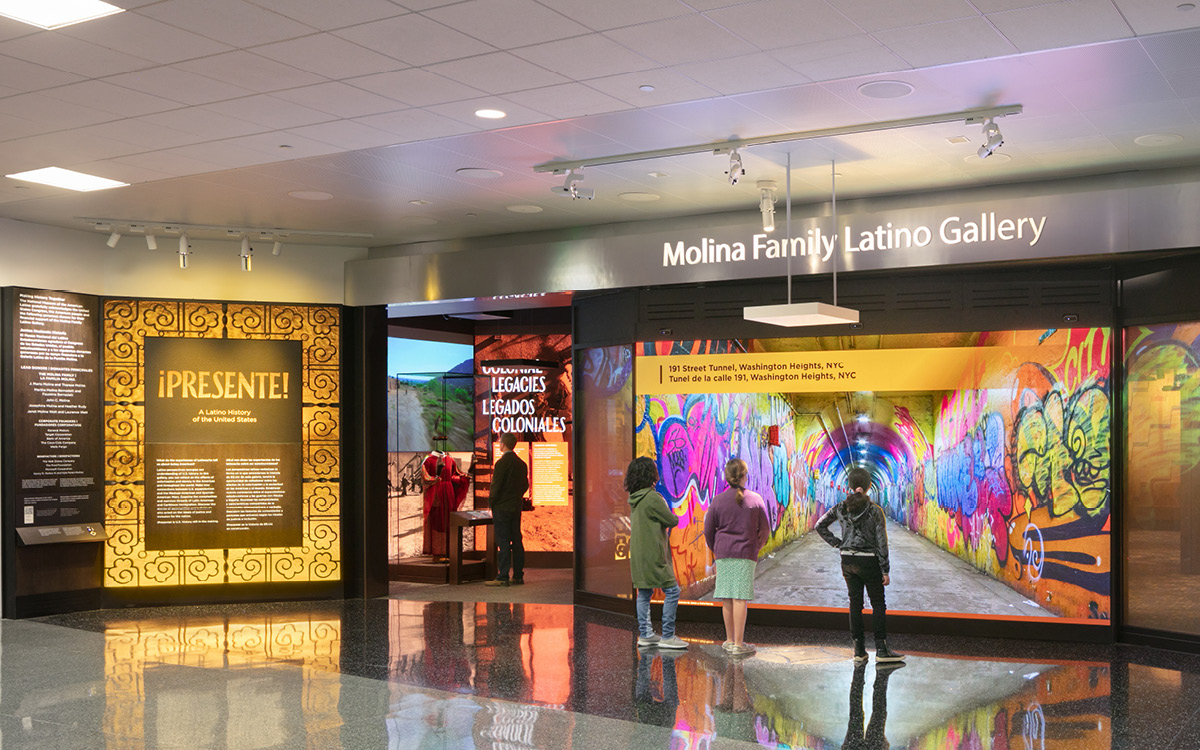
The Molina Family Latino Gallery (MFLG) at the National Museum of American History, is the first Smithsonian gallery dedicated to Latino history and culture. The gallery’s goal is to emphatically claim that “Latino history is American history.” With this in mind, we opened the design process to a transdisciplinary approach that allowed Latinx artists, craftspeople, and other designers to participate as cultural stakeholders of the project. This permitted a wide range of Latinx artists from all parts of the United States to express their latindad.
The gallery occupies 4500 sq. ft. of the National Museum of American History, Smithsonian in Washington DC. Thanks to the sponsorship from the Molina family and numerous corporate funders the gallery displays state-of-the-art museum cases and digital interactives. The gallery offers an engaging experience for all visitors, regardless of prior knowledge of Latinx history and culture. We took extra measures to design the exhibit elements for the inclusion of the broadest possible audience.
Client: Smithsonian Latino Center
Black Box Architect Partner: Quinn Evans
Black Box Architects: Abby Tourtellotte, Carolina Uechi, Alyson Steele (Partner)
Project Director: Eduardo Diaz
Curator: Ranald Woodaman
Assistant Curator: Lola Ramirez
Museum Environments team
Lead Designer: Mariano Desmarás
Designer and Project Manager: Andrés Clerici
Architect: Melinda Zoephel
Bilingual Graphic Design Production: Alejandro Kiesel
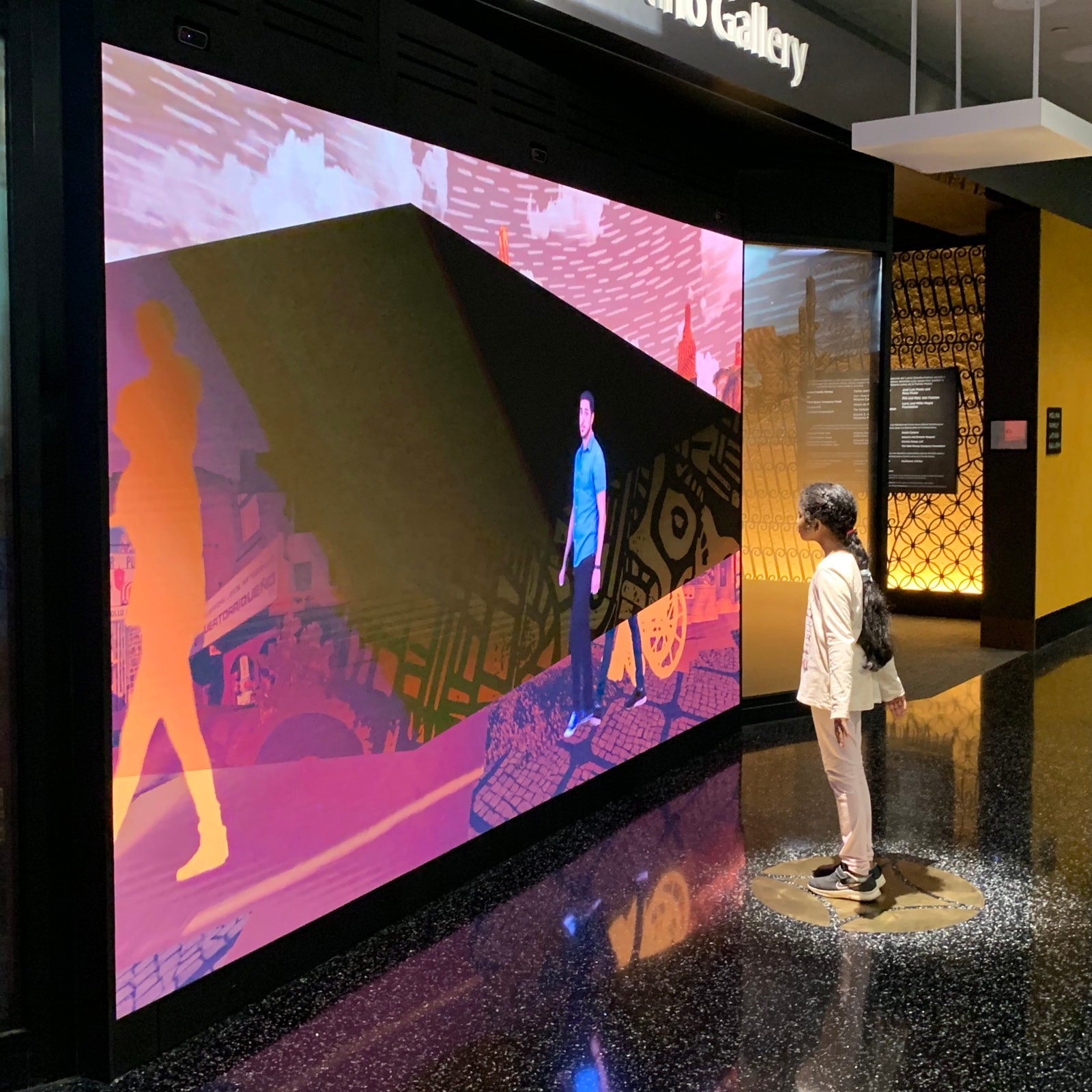
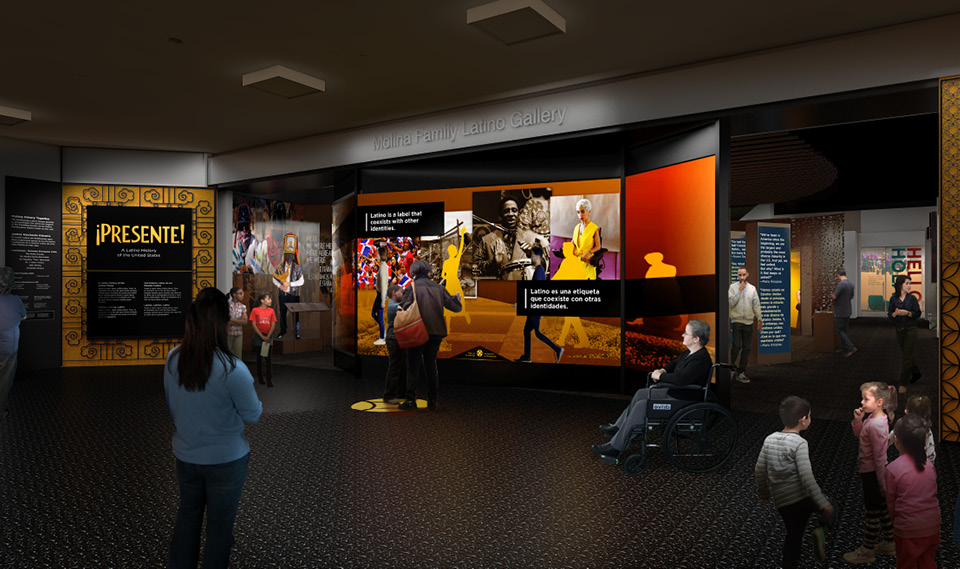
Potion Design developed the digital interactive: a virtual greeter welcomes visitors as they step onto the brass medallion.
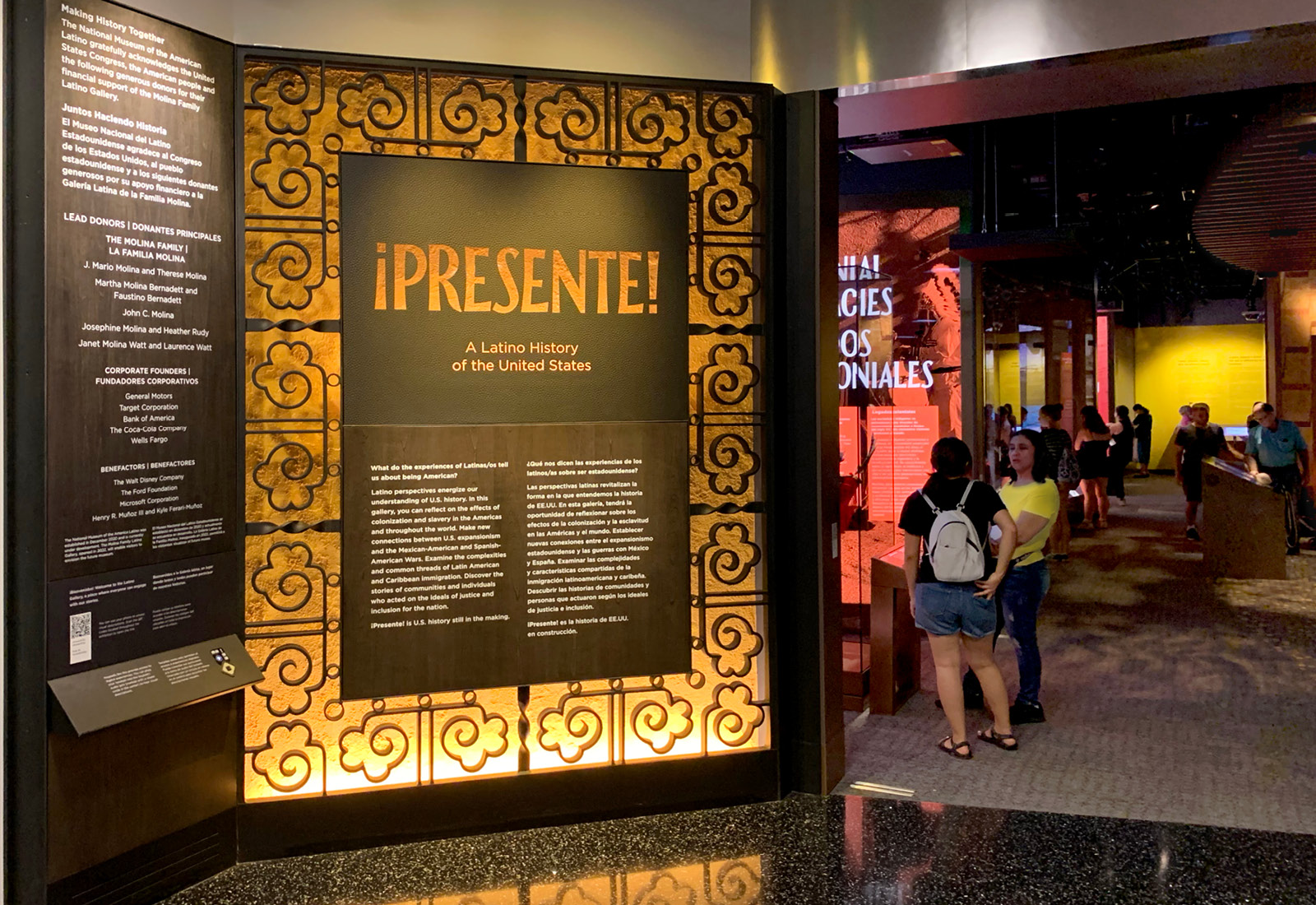
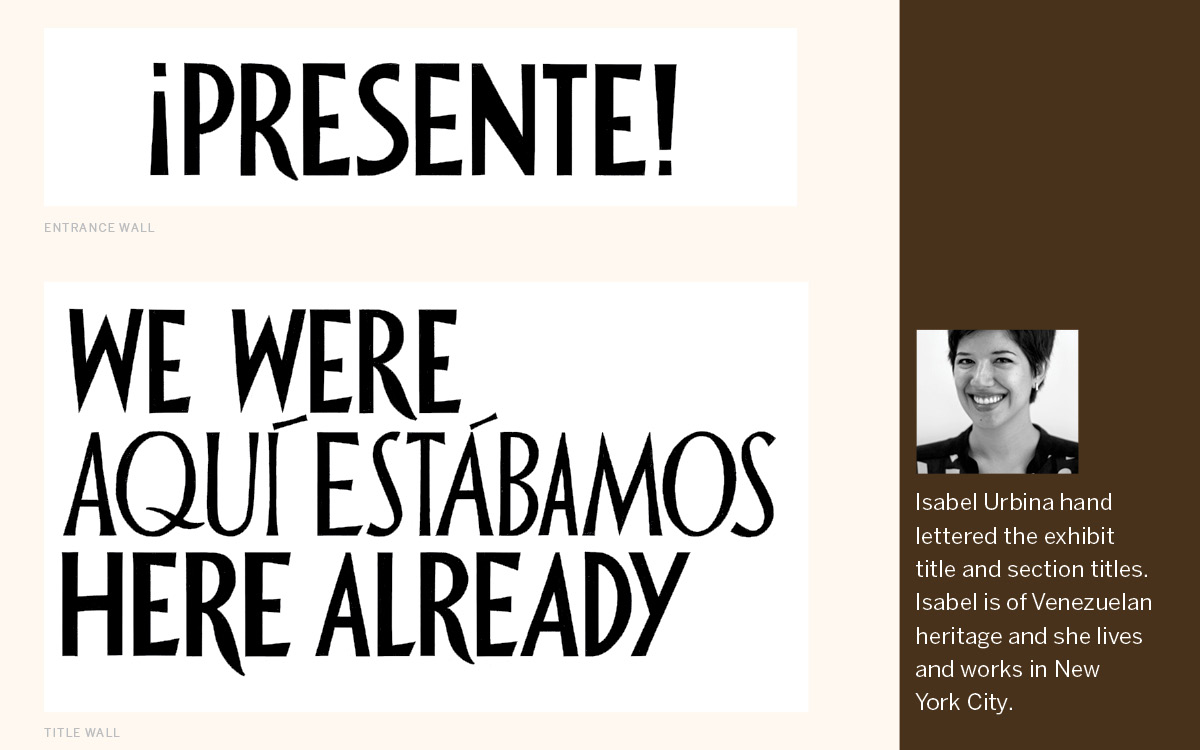
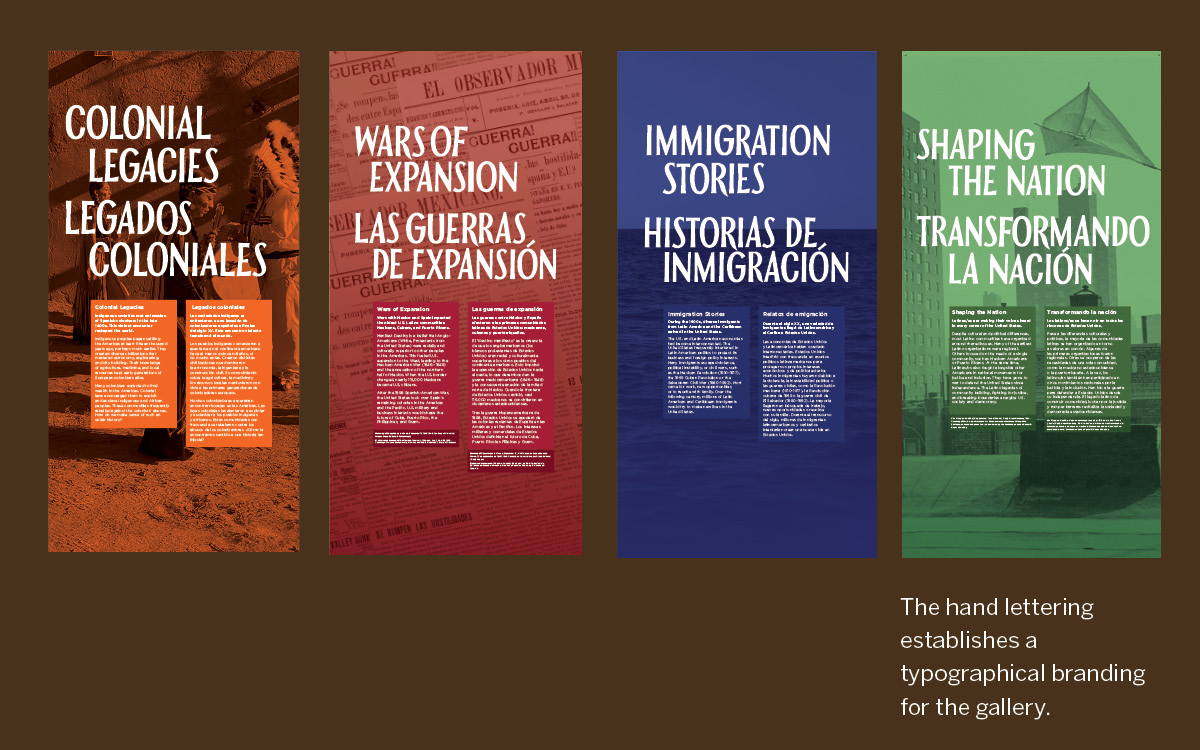
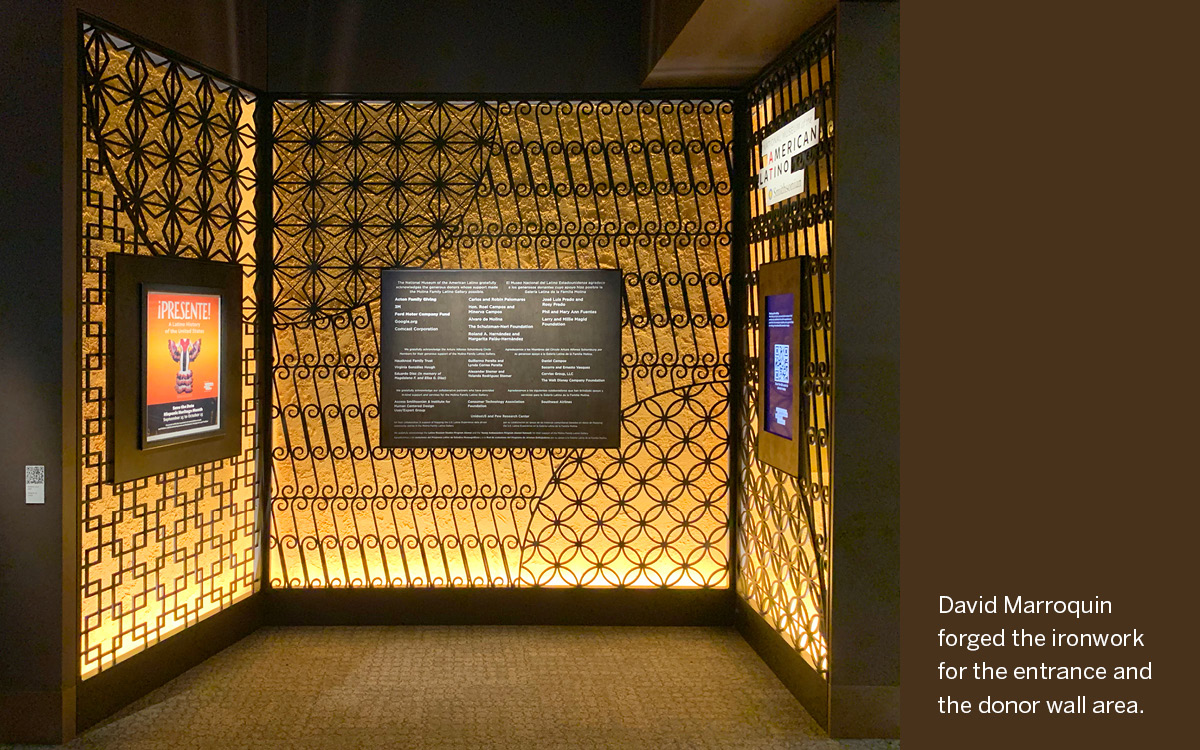
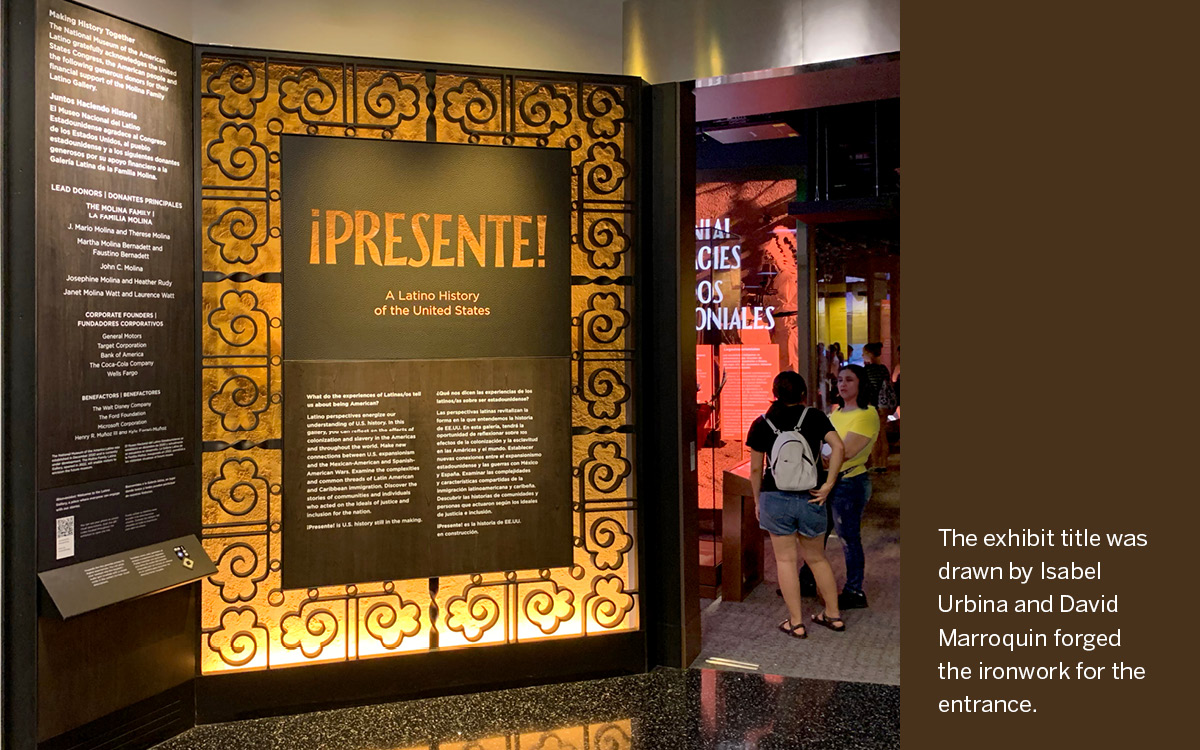
The exhibition title is set into a magnificent, robust piece of ironwork produced by Latinx craftsperson David Marroquin of Los Angeles. The logotype for the exhibit was drawn by Isabel Urbina, one of the leading Latinx typography designers in the United States.
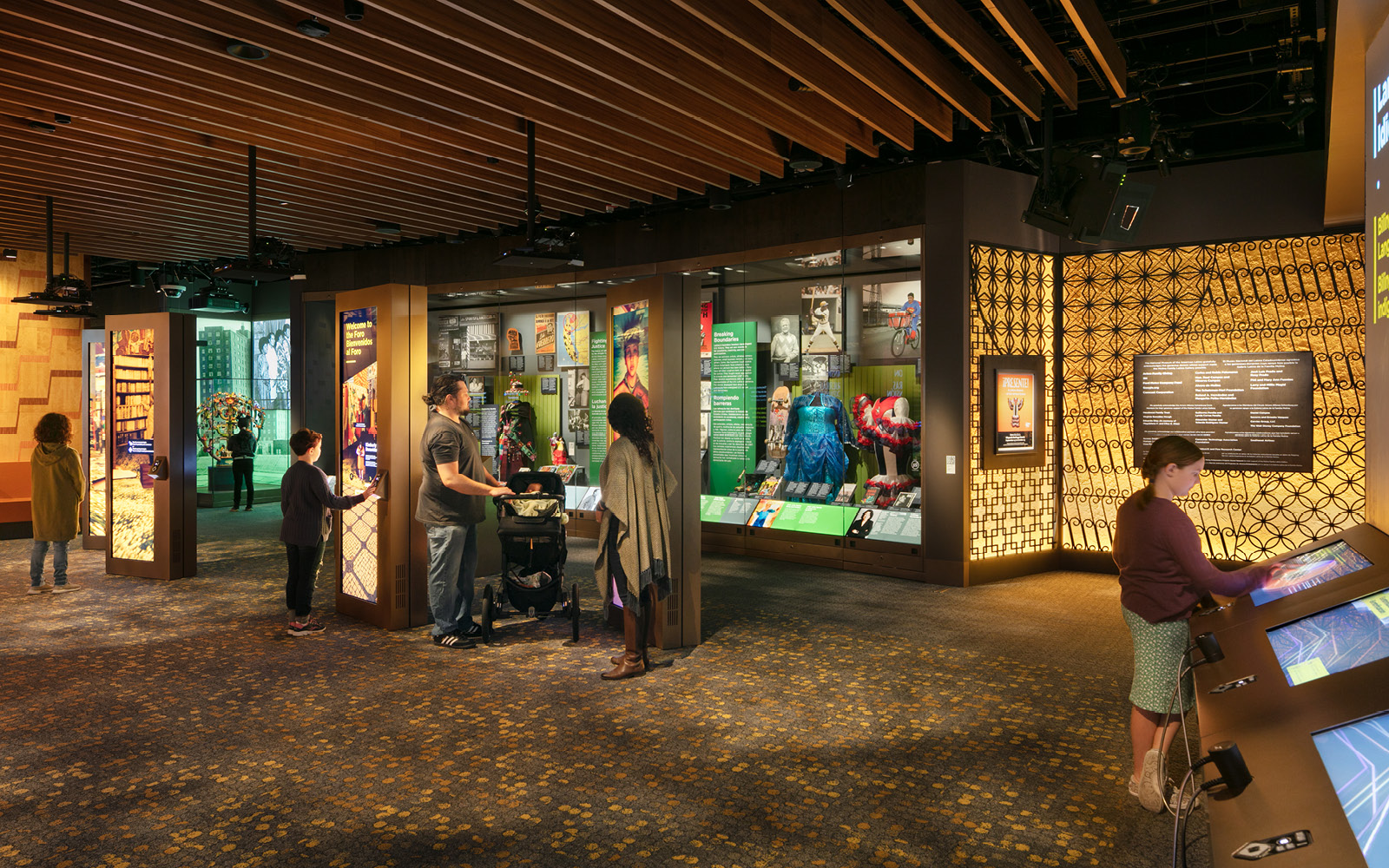
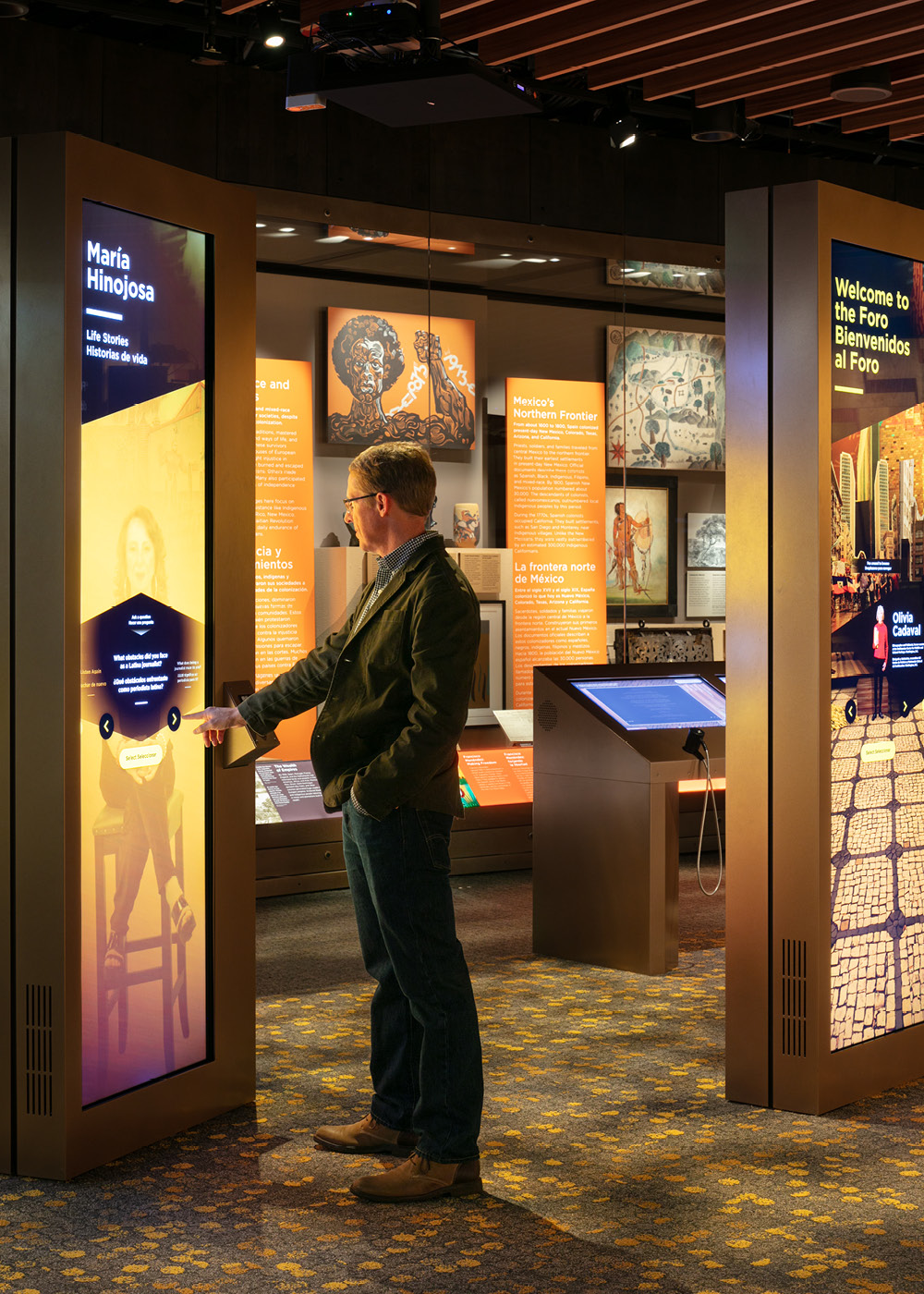
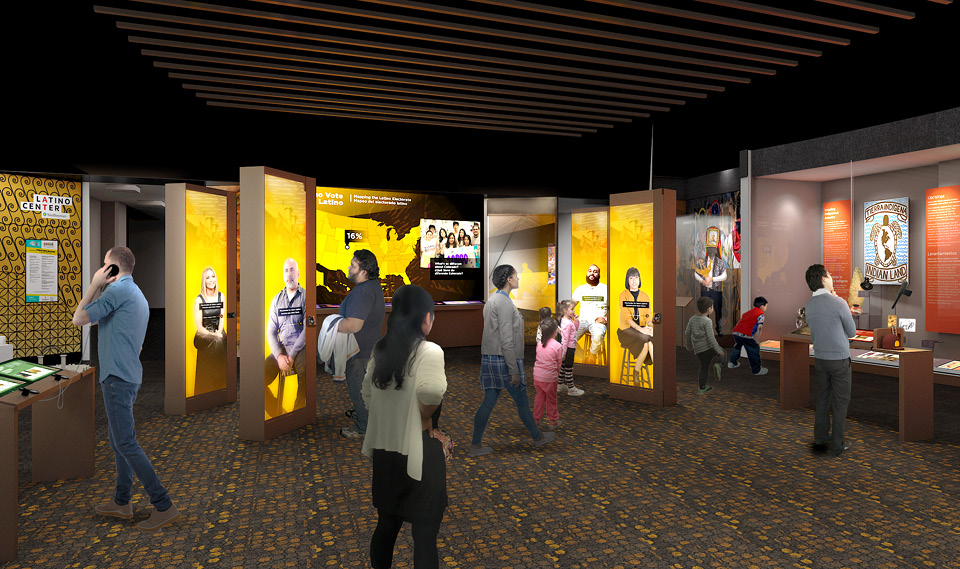
The Foro (Forum), a plaza-like space at the center of the exhibit, is populated with life-size public history media — creating a sense of place that grounds and amplifies the institution's voice within the gallery.
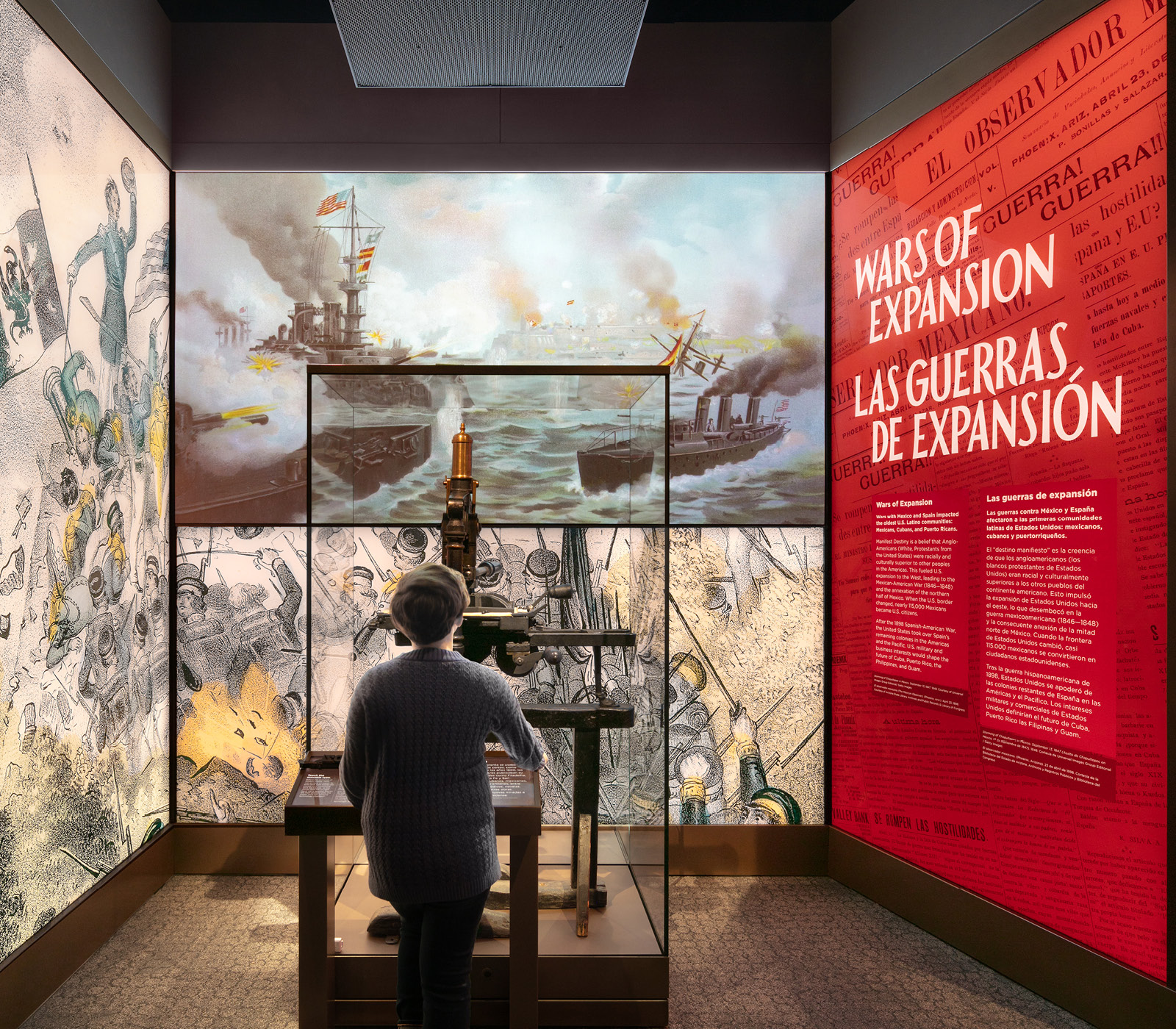
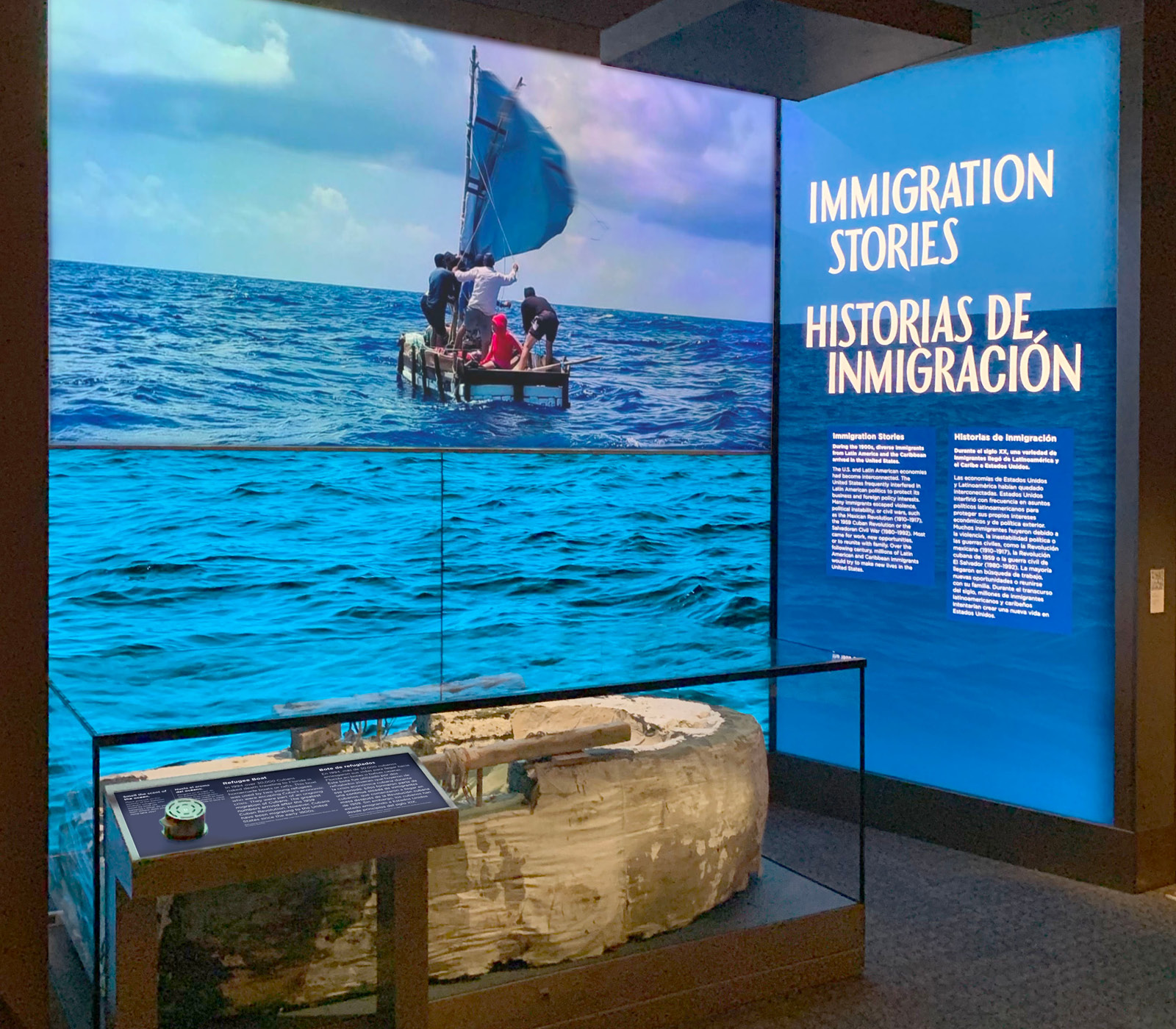
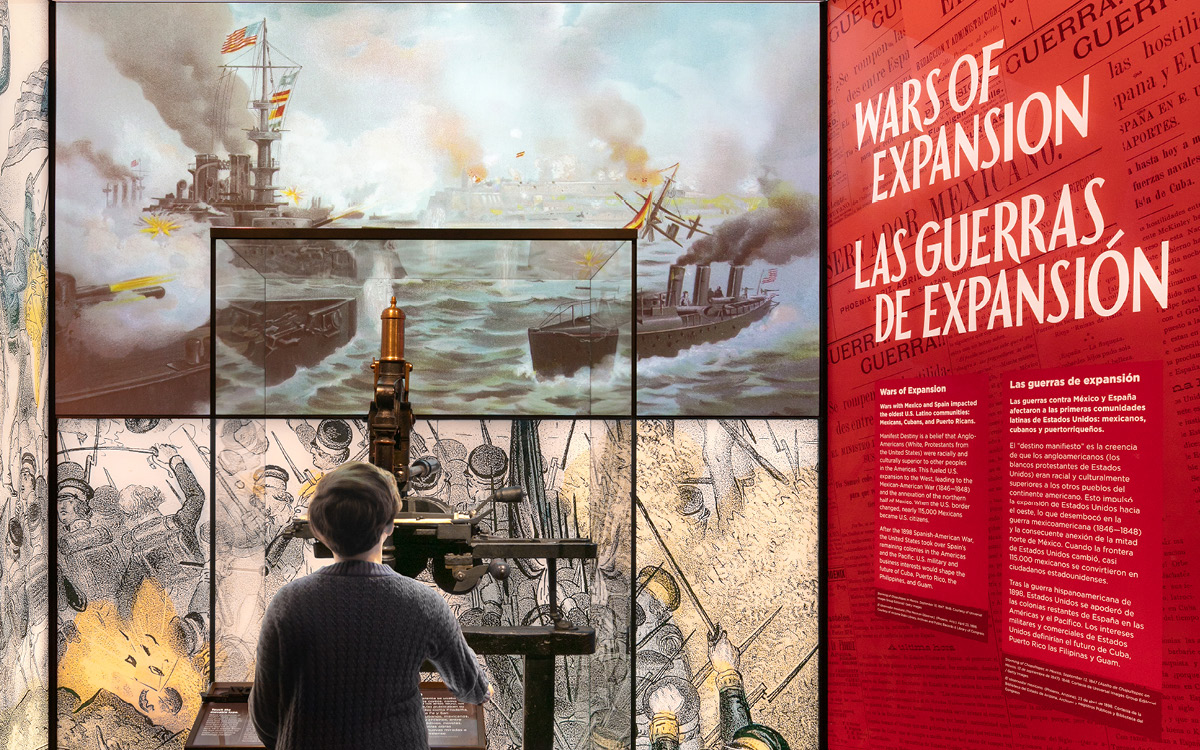
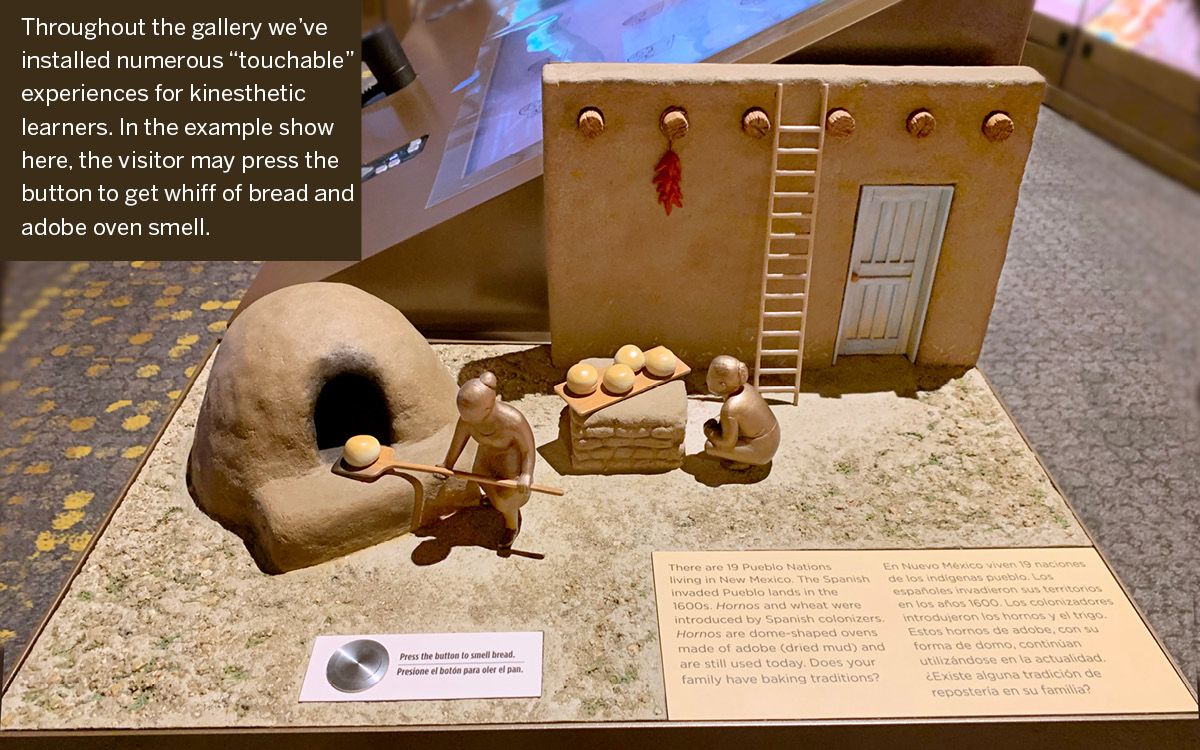
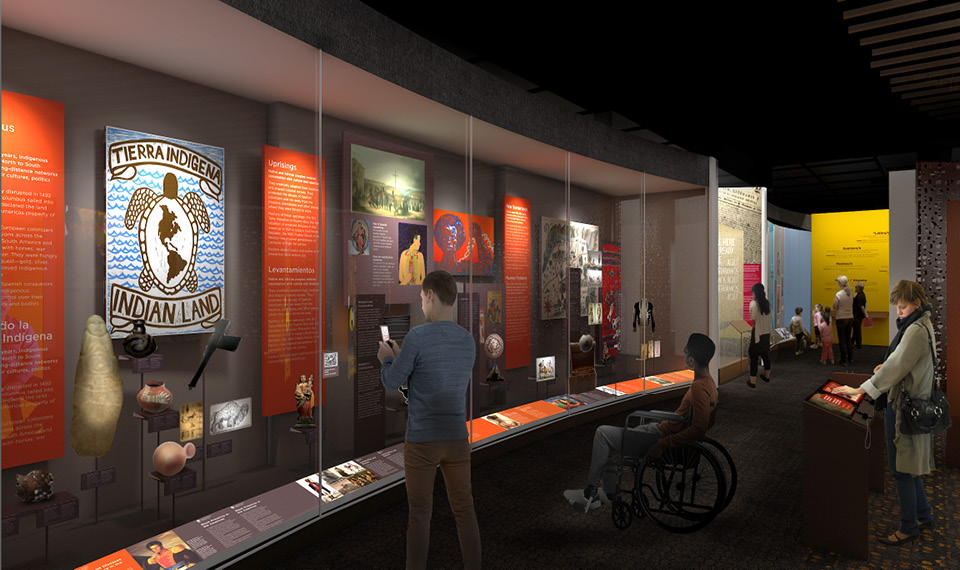
The beginning of each section is marked with a large, immersive nook that combines a key artifact, a touchable experience, and illuminated murals integrated with video.
Co-creation Gallery
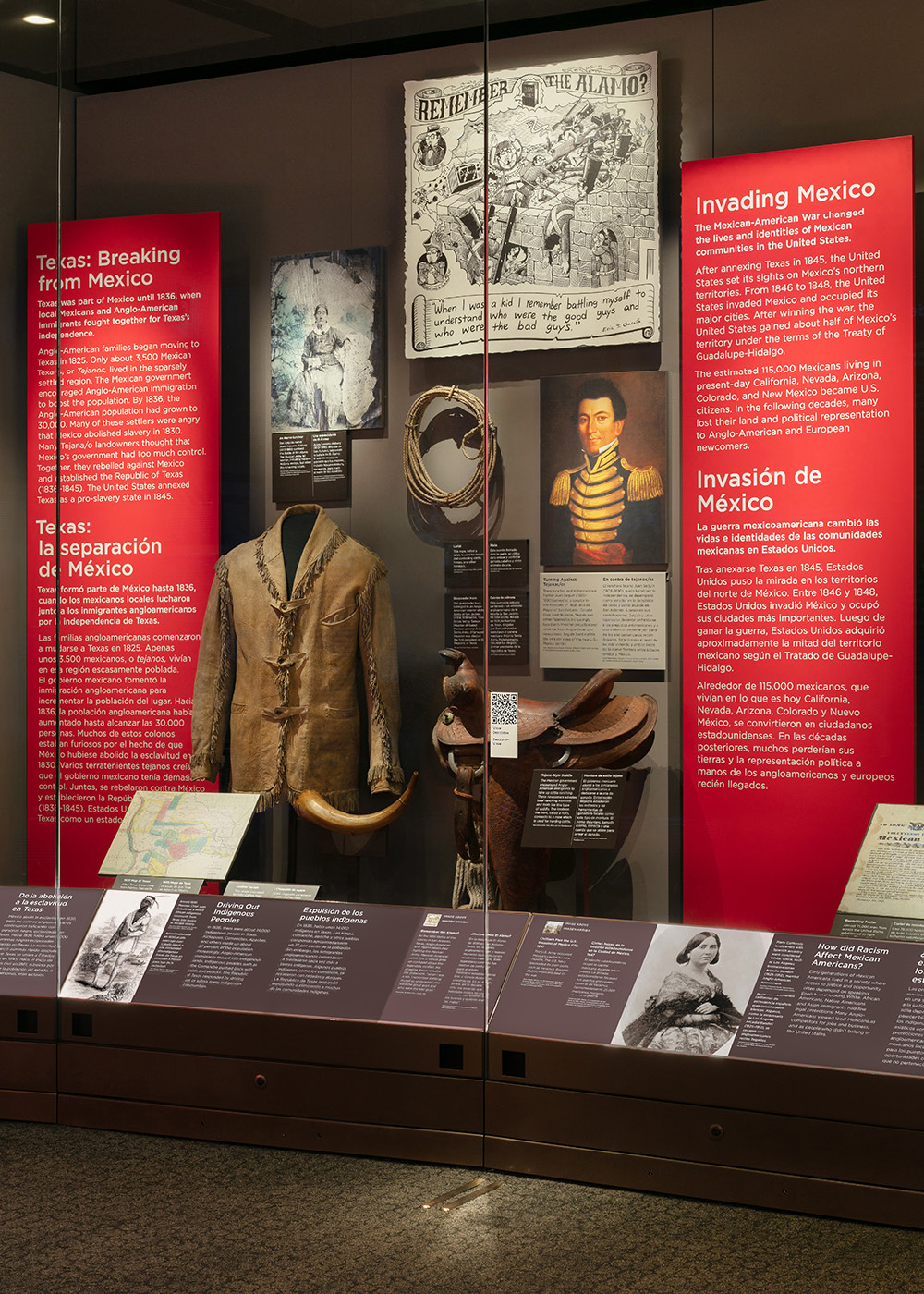
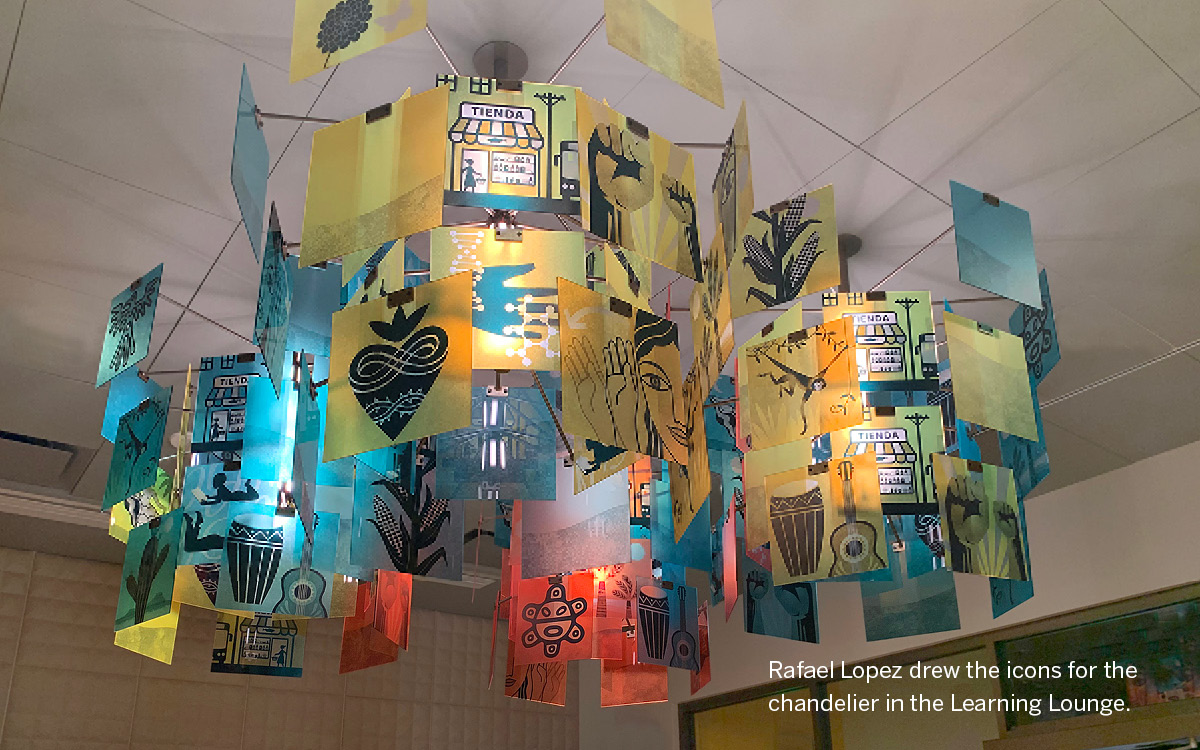
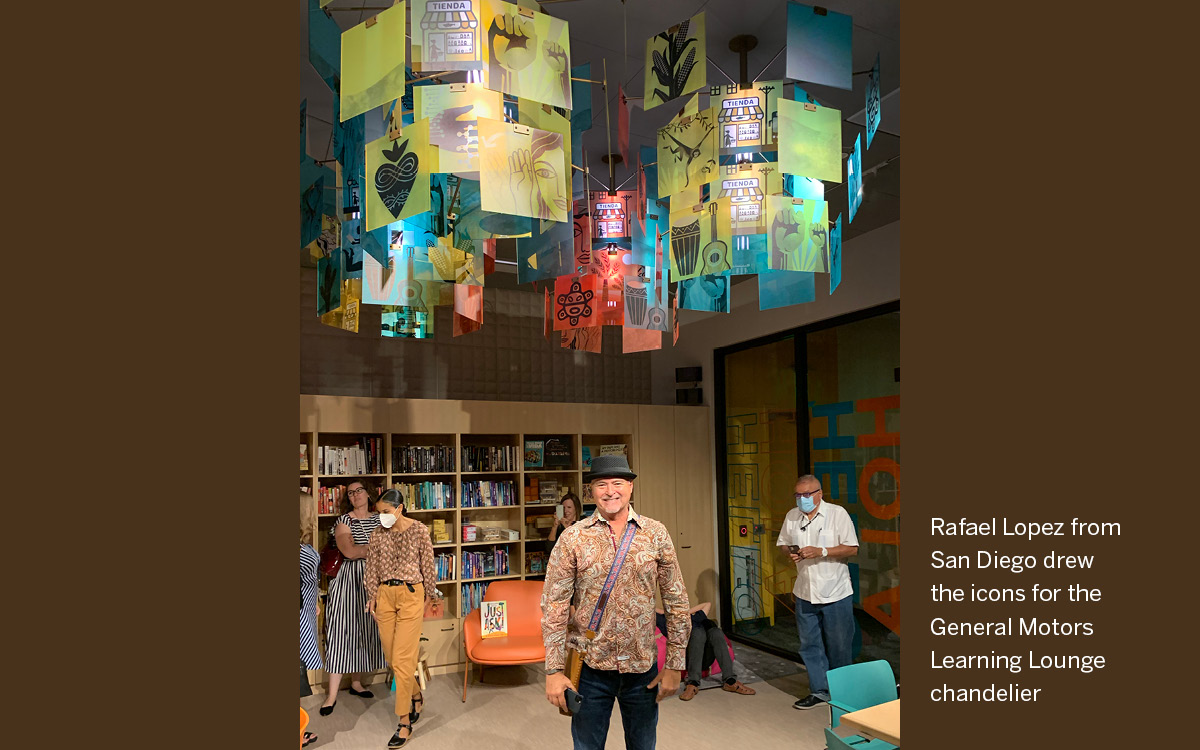
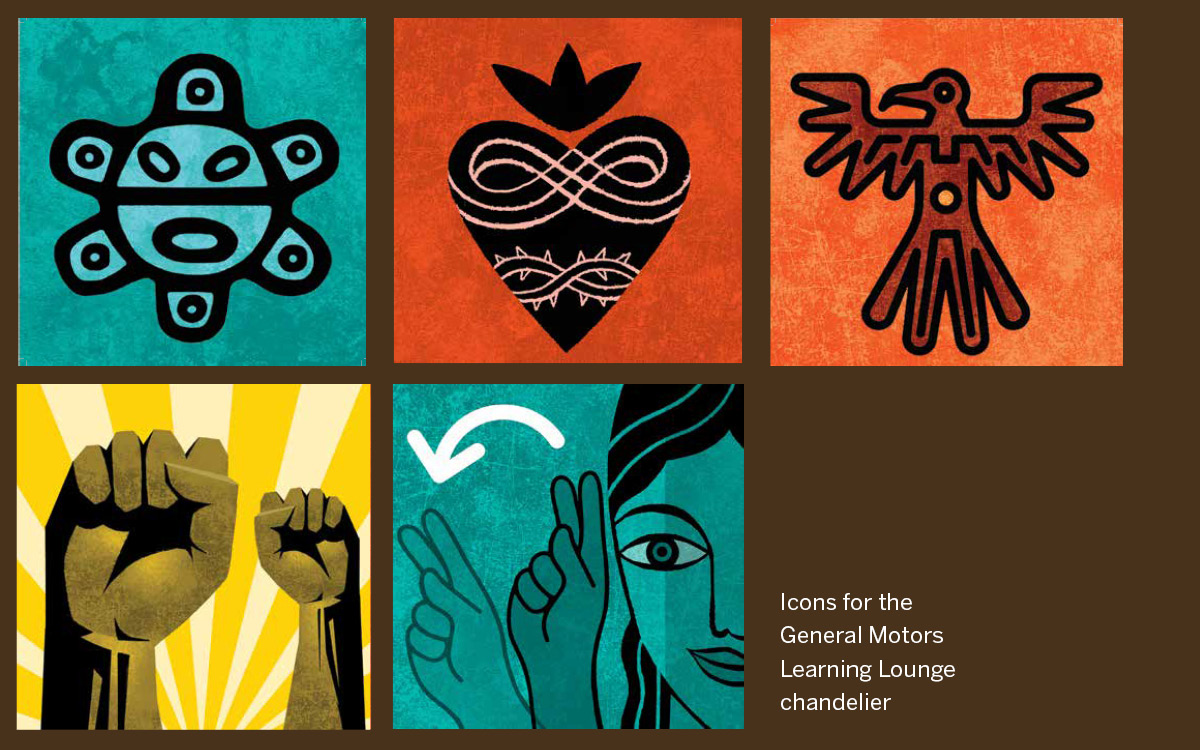
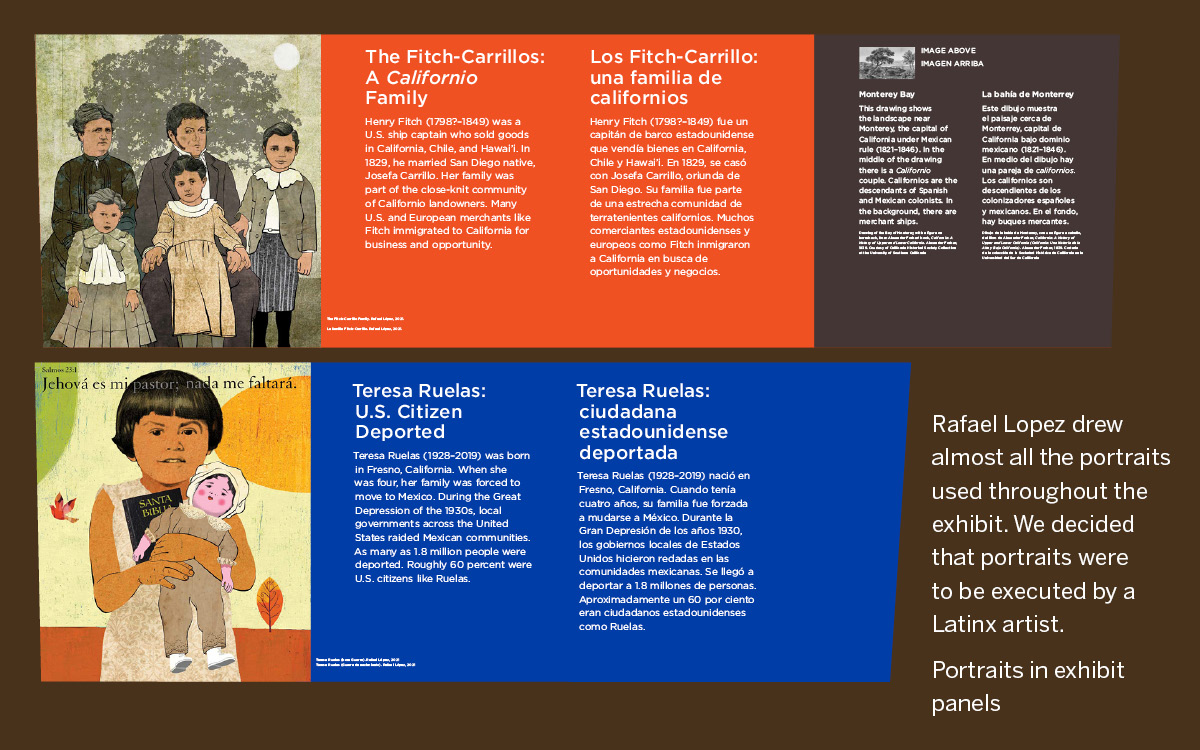
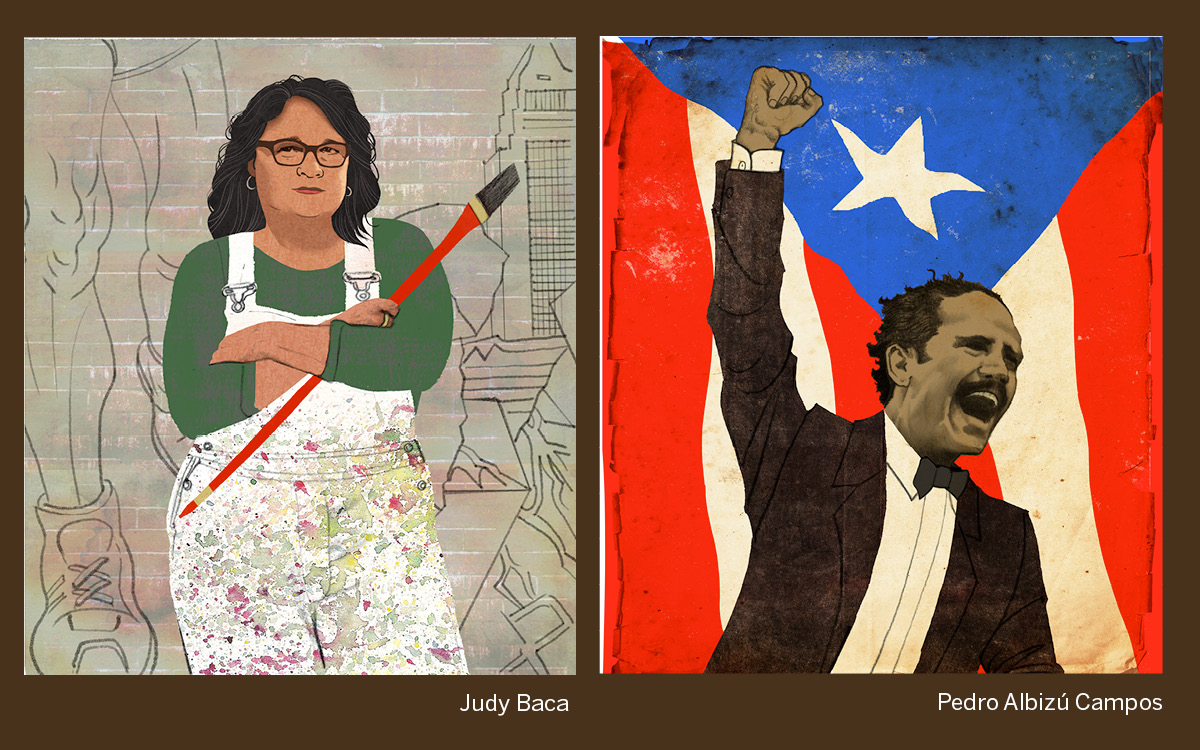
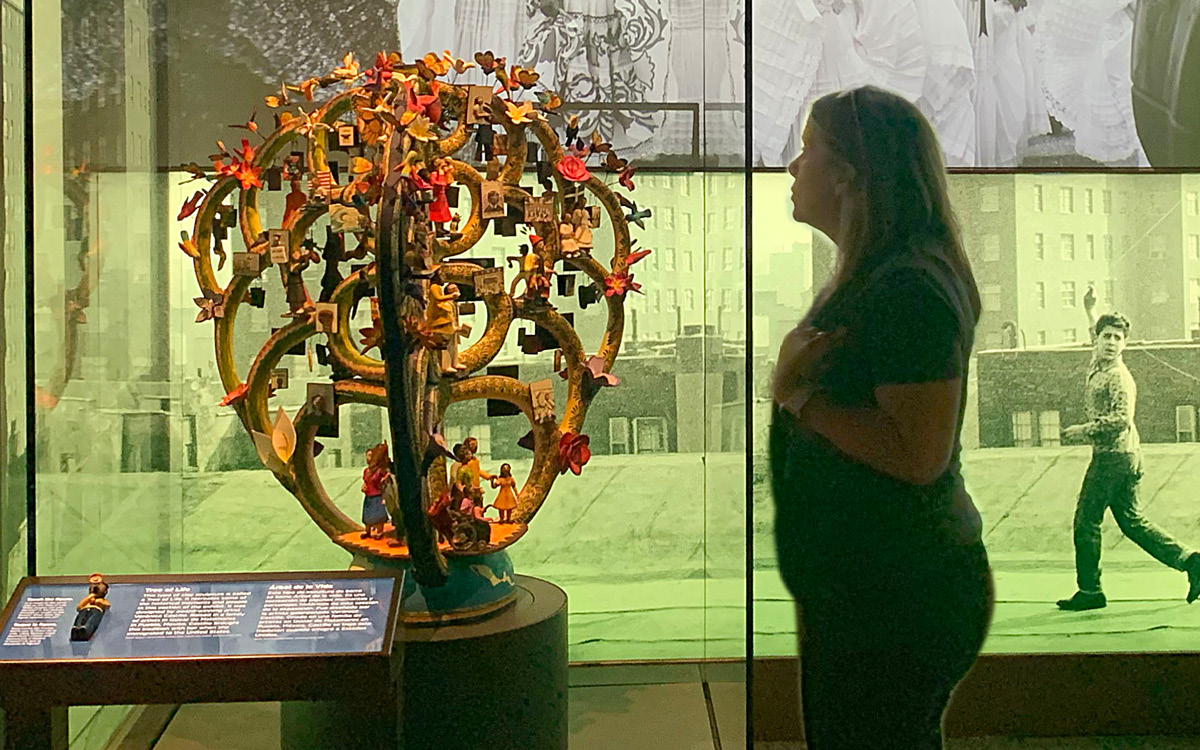
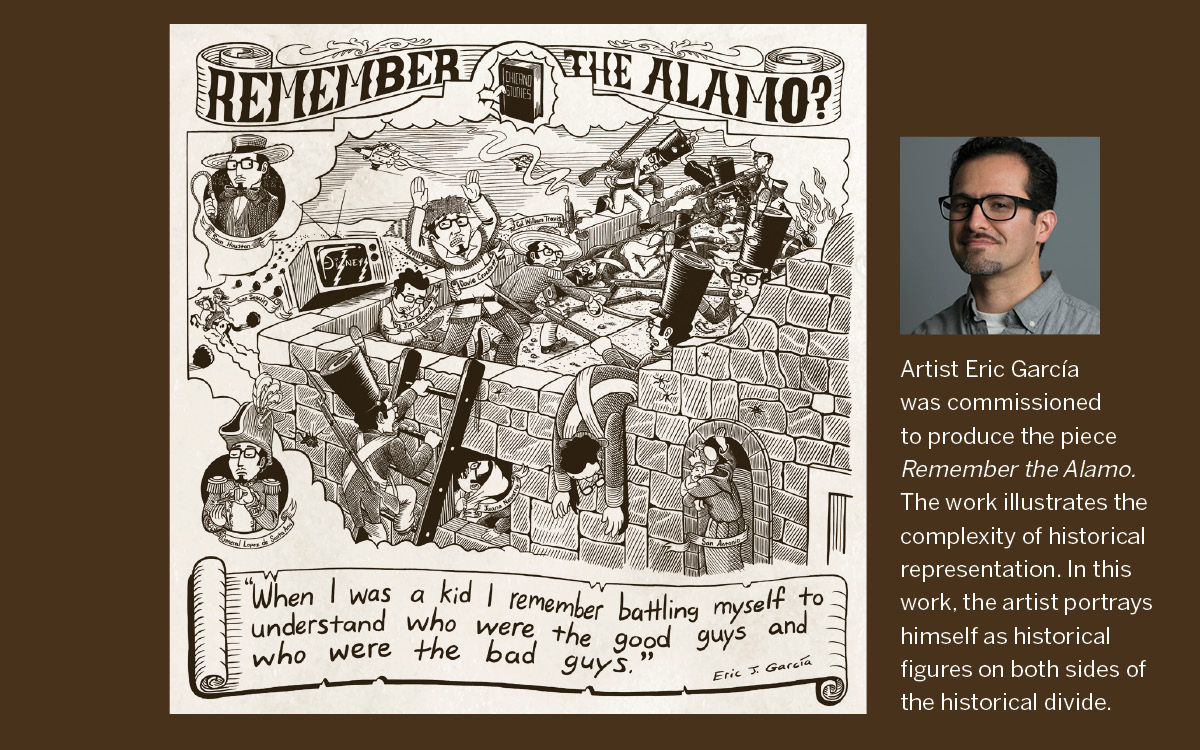
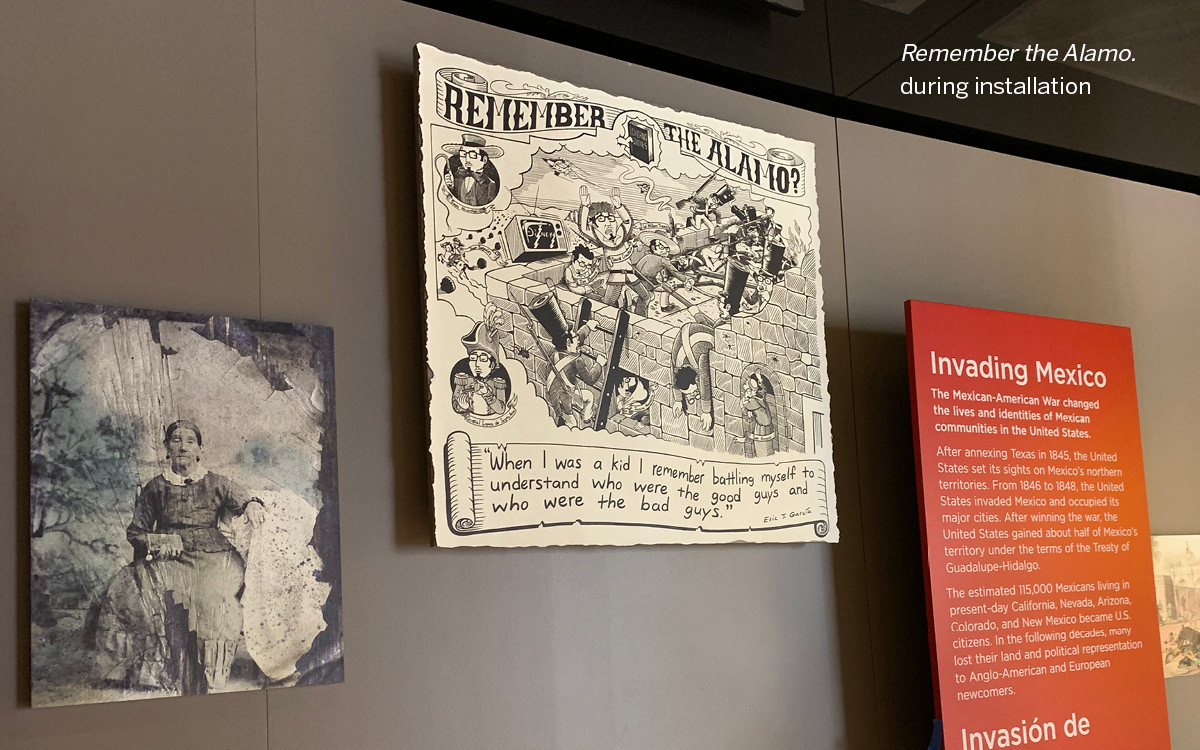
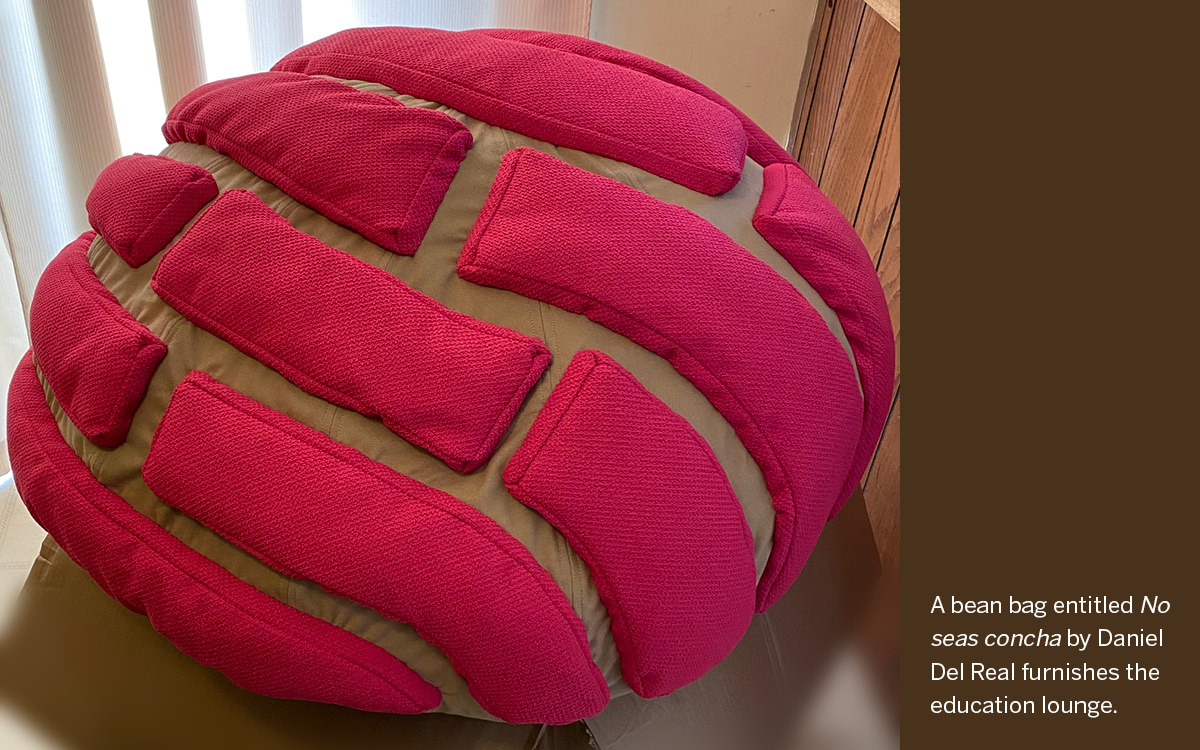
The following images are the works of the Latinx artists and artisans that worked in a portion of the gallery design and execution. This process stems from a creative ambition to invite a broad scope of cultural stakeholders to participate in the creation of the gallery. In this manner, we are able to expand the creative voice of the gallery to include the greater diversity of the Latinx community in the United States. The artists presented here are from all parts of the United States and from different Latin American heritage.
Inclusive Design Gallery
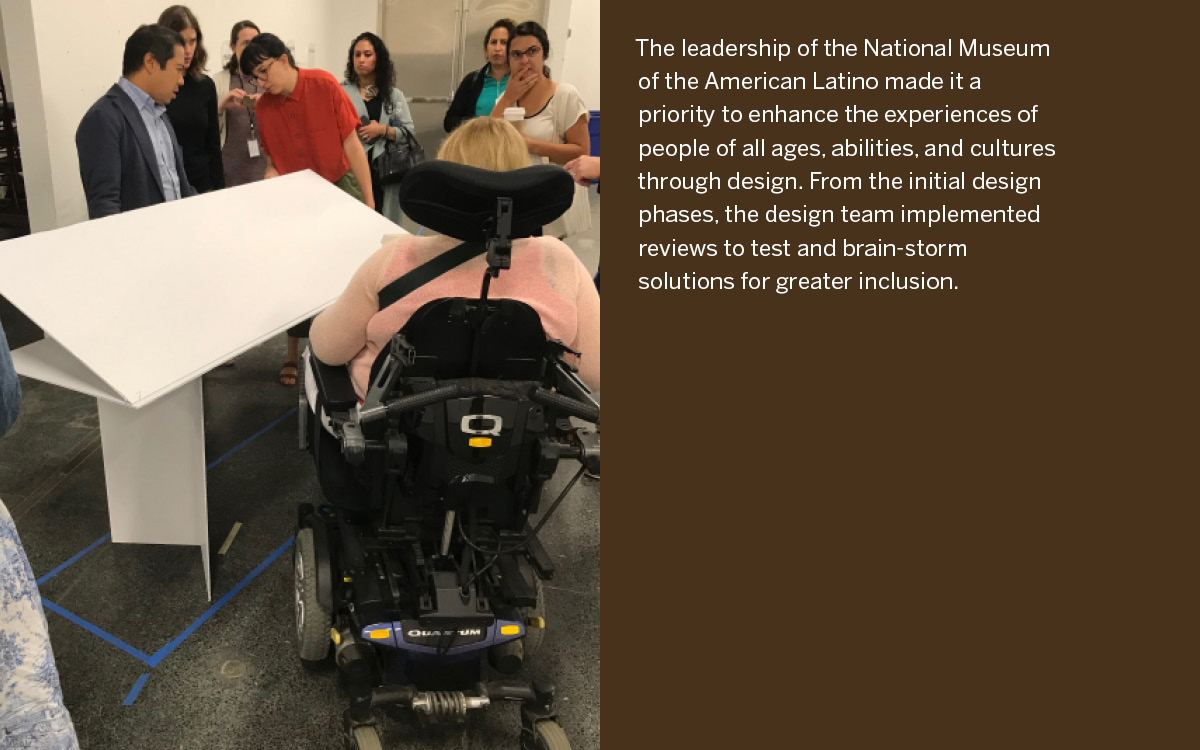
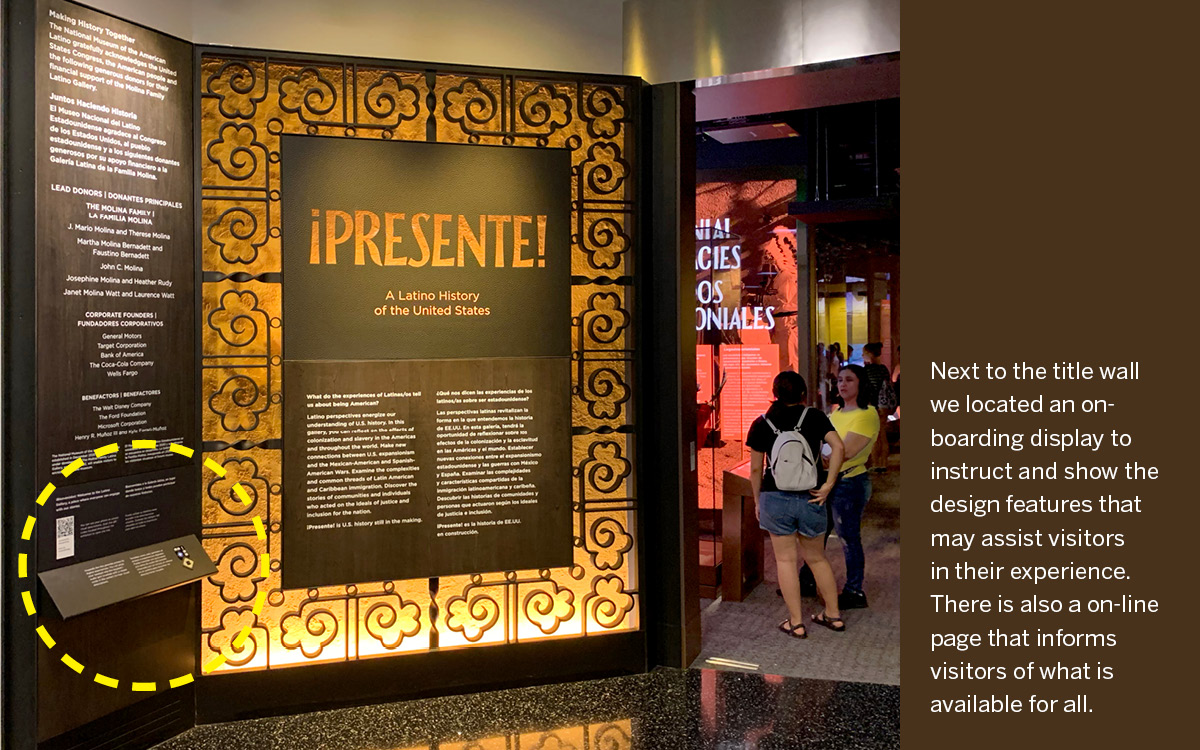
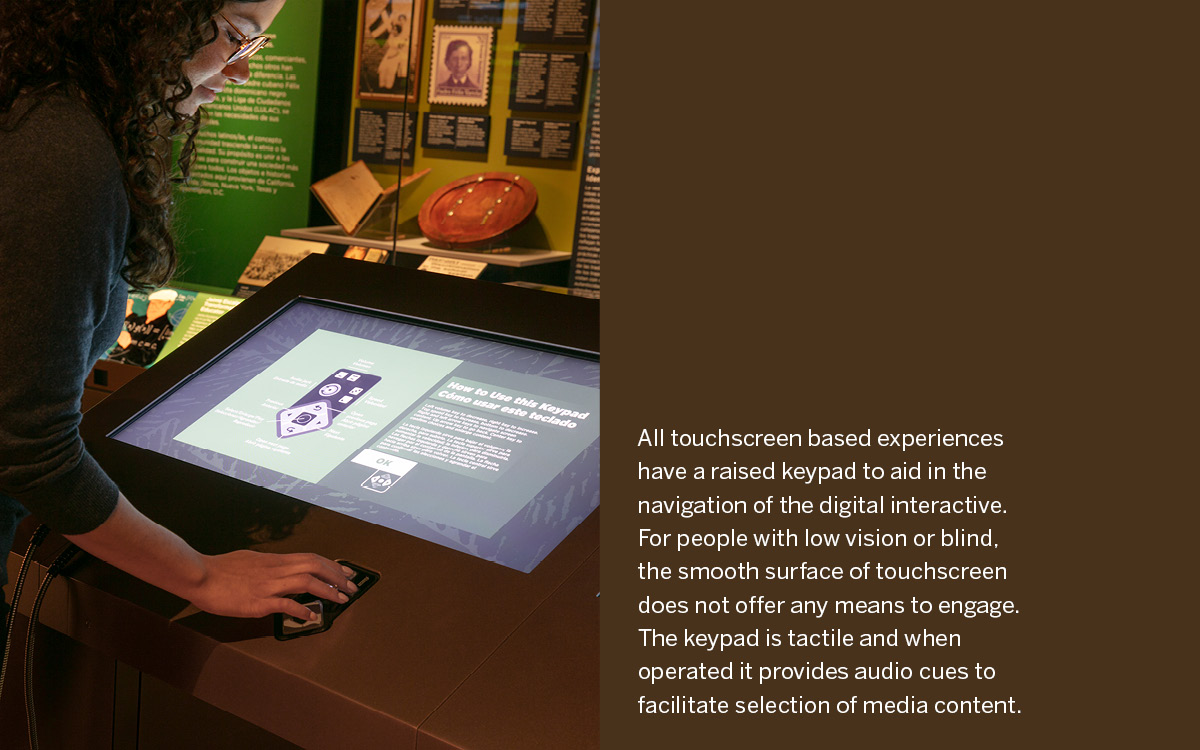
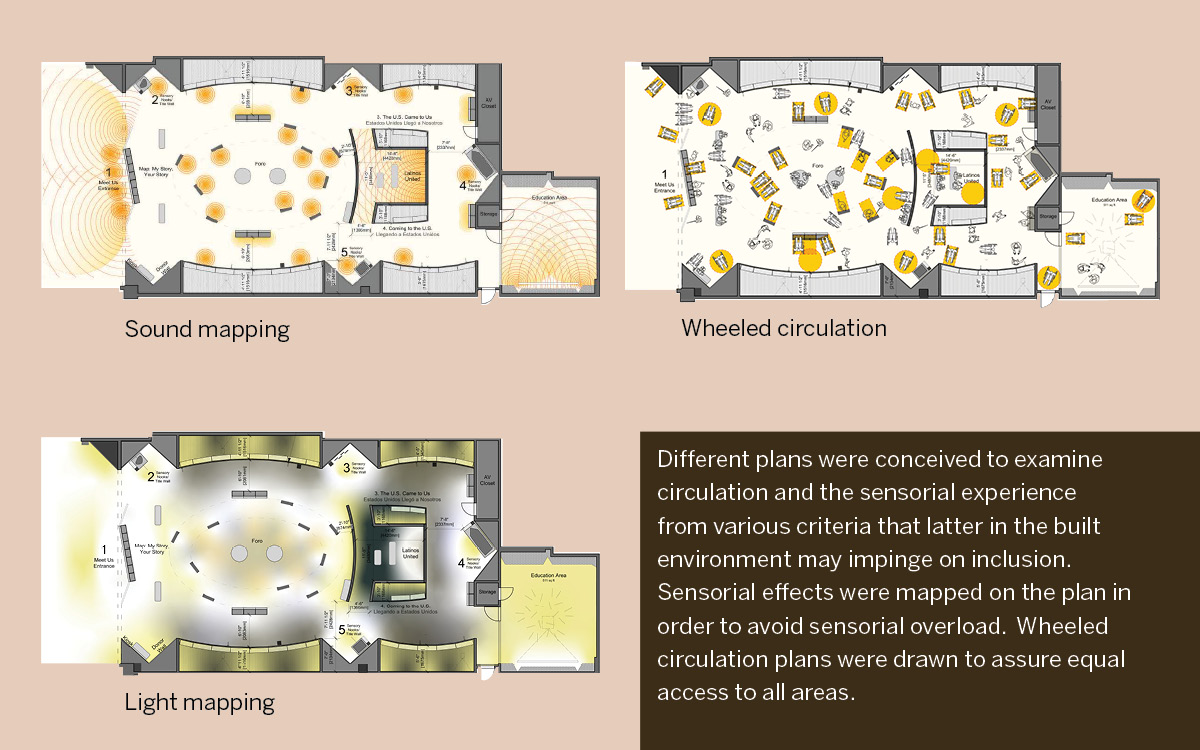
The following images in the slide-show show the process and solutions we developed to create a more inclusive gallery experience. The work shown here results from a collaborative design process with various experts, consultants, and stakeholders. We are especially grateful to the Institute of Human Centered Design (IHCD) and Access Smithsonian.
Design Process
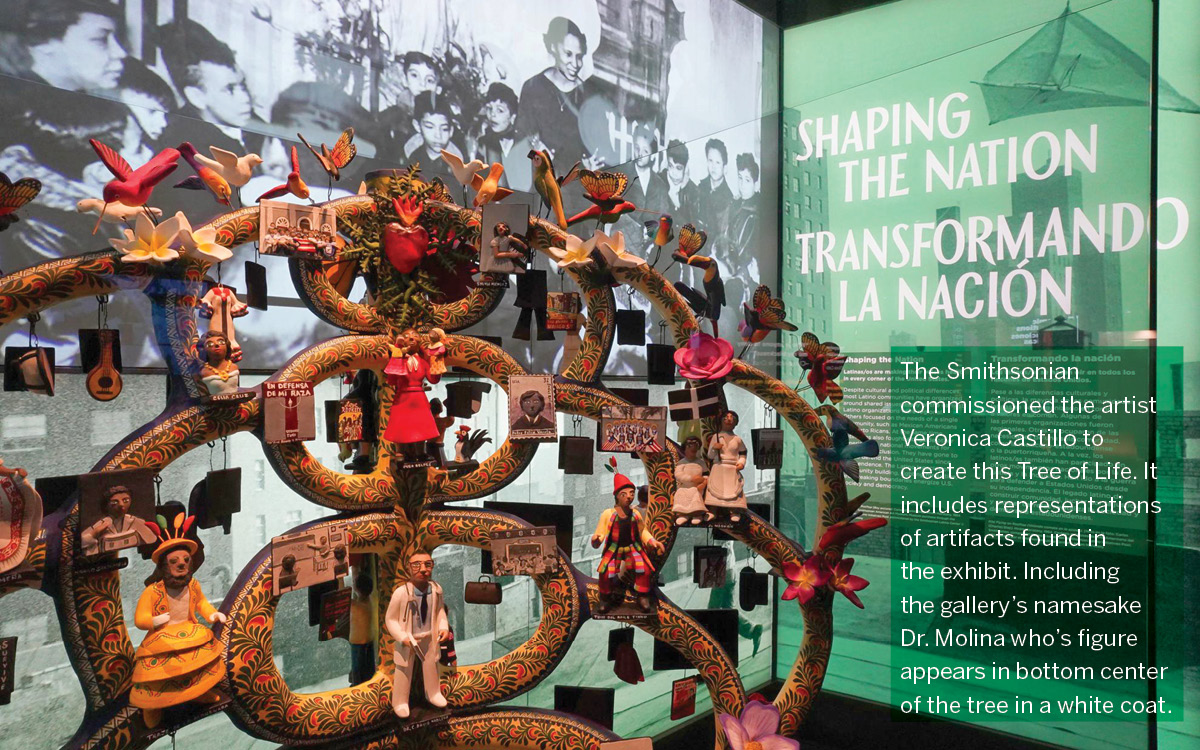
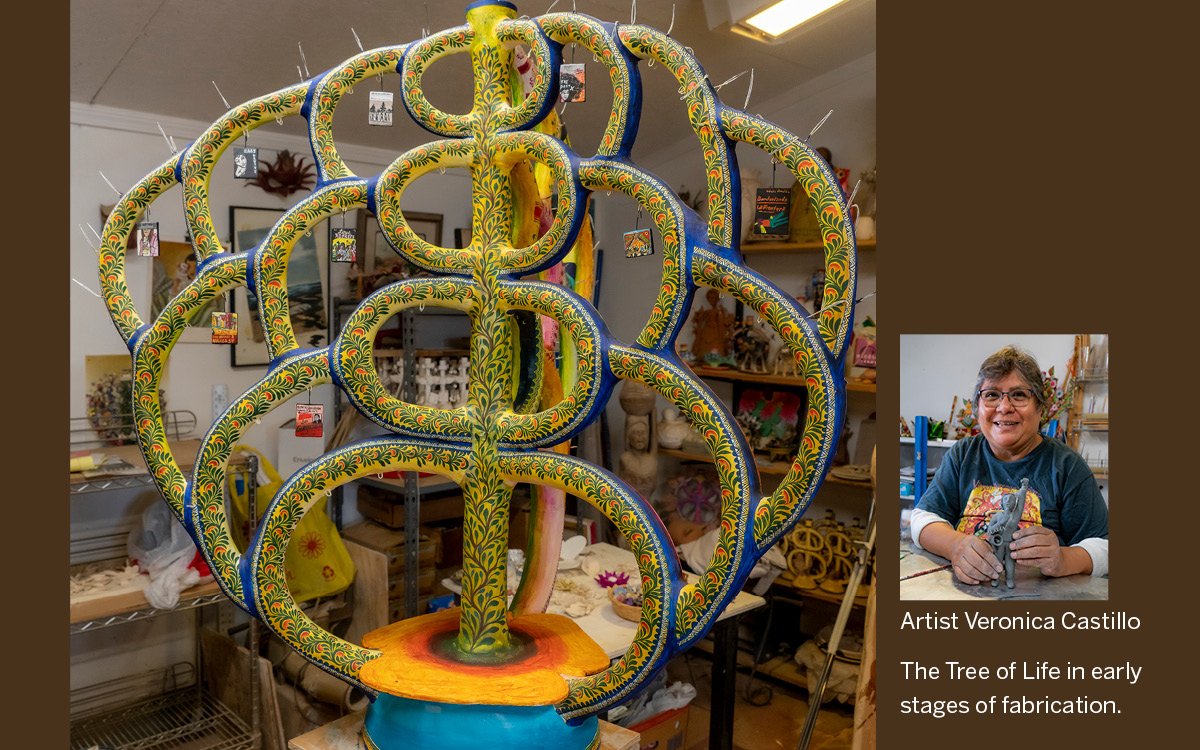
From the outset, we recognized that relying solely on our own Latinx heritage would be inadequate — the U.S. Latinx community is too diverse for any single perspective to represent it. Centering our own design culture would echo the encyclopedic museum model, a conceptually flawed approach rooted in museums' colonial origins. Instead, we adopted a transdisciplinary process that invited diverse cultural stakeholders to participate, launching a joyful effort to engage artisans, artists, and media producers. Among them: Isabel Urbina (NY) hand-lettered all titles; David Marroquin (LA) designed and forged the entrance and donor-wall ironwork; Rafael Lopez (San Diego) drew the icons and portraits used throughout the graphics; and Verónica Castro (TX) produced a ceramic "Árbol de la Vida" (Tree of Life).
Commissioning this work also raised a larger question: what does our material cultural legacy mean for the future? We borrowed the term "Resignification" — the practice of reclaiming cultural heritage through new, forward-looking forms — to guide our art direction.
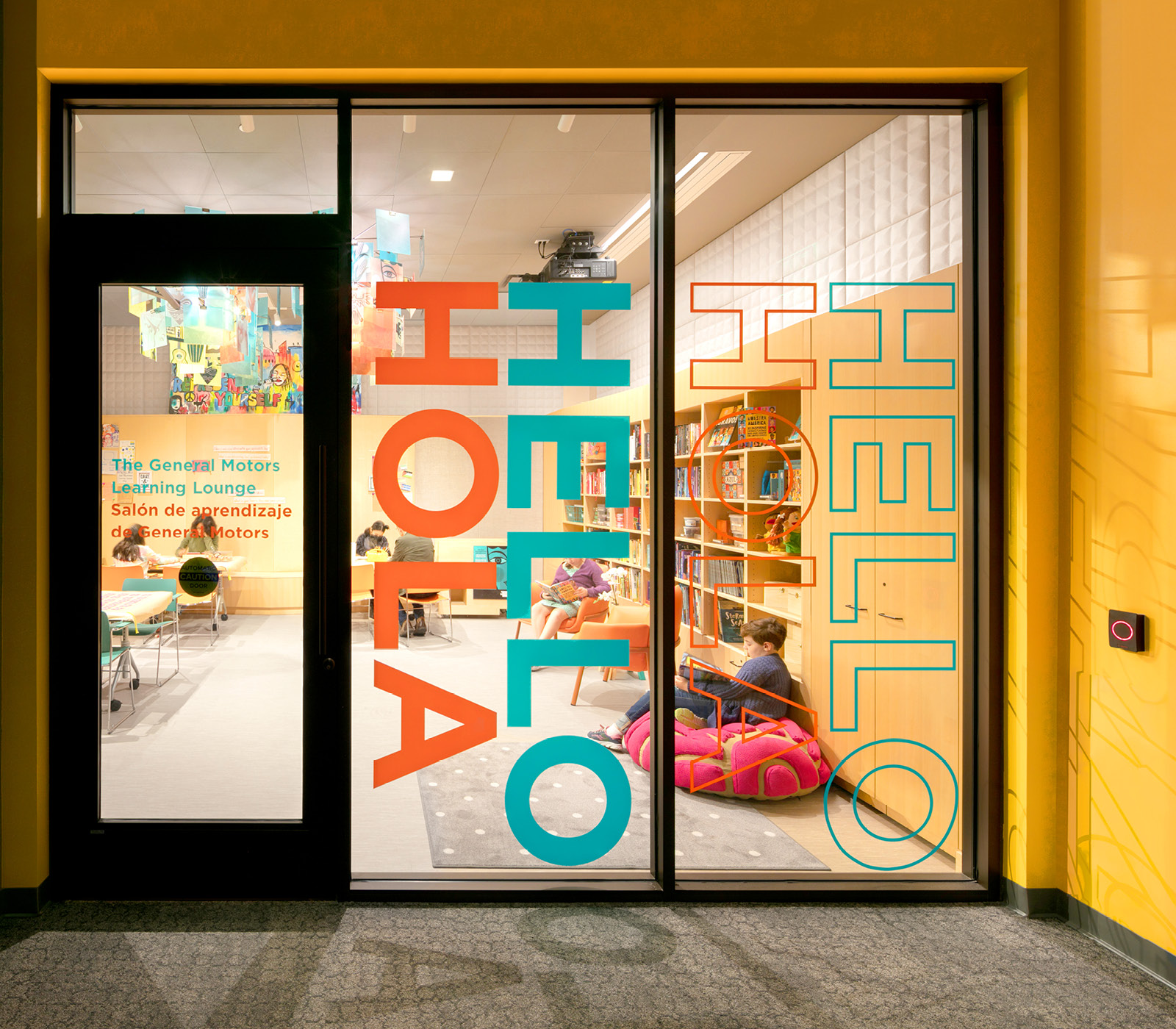
Concurrently, our "big idea" was a "museum within a museum" — a gallery that carries the power of place and an unmistakable authorial message: that it is sponsored, curated, managed, and created by Latinx professionals. Like a museum, it provides permanent infrastructure supporting rotating exhibits across four areas: "Meet Us," a digital entrance welcome; "Presente," a changing, immersive exhibit; an Education Lounge for workshops; and "Somos Theater," a short-film screening room. All text and media are bilingual.
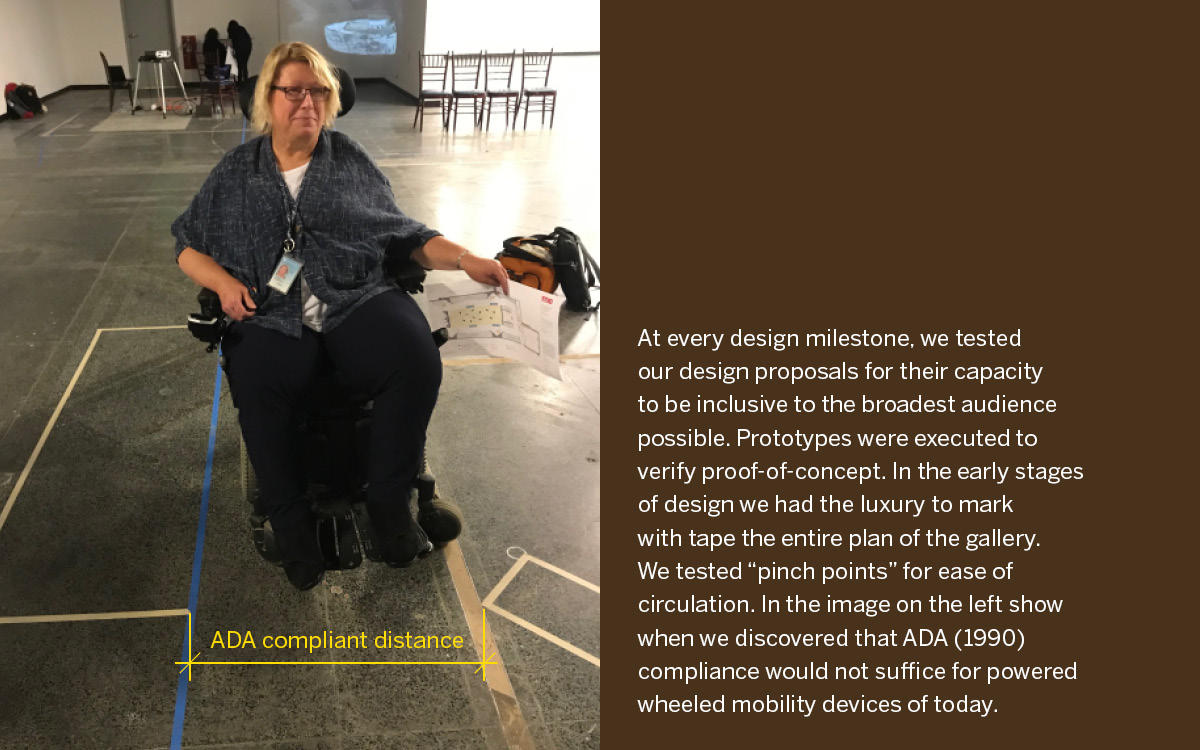
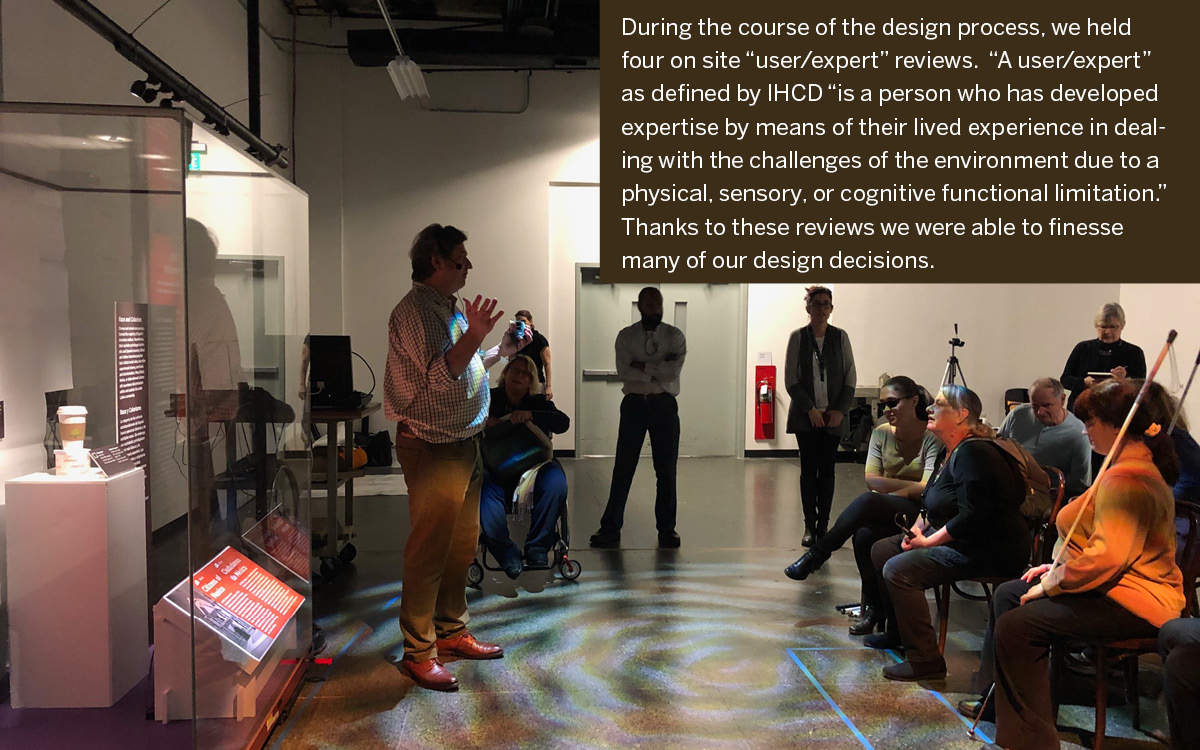
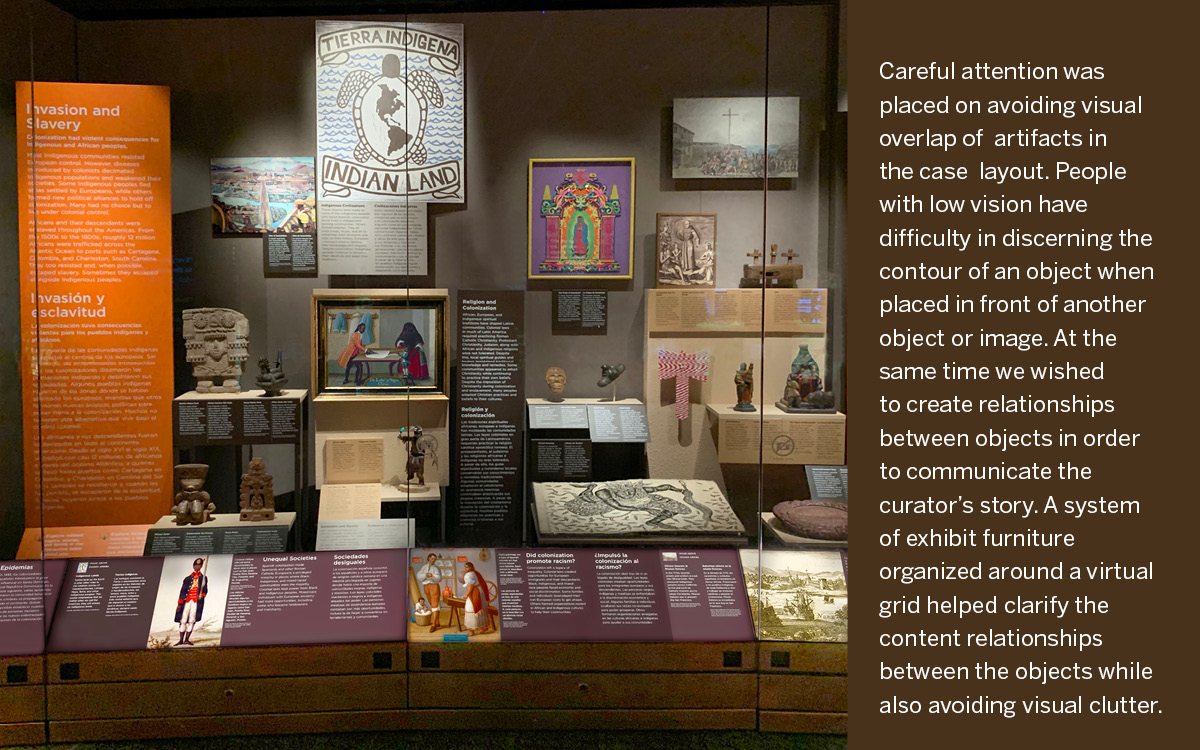
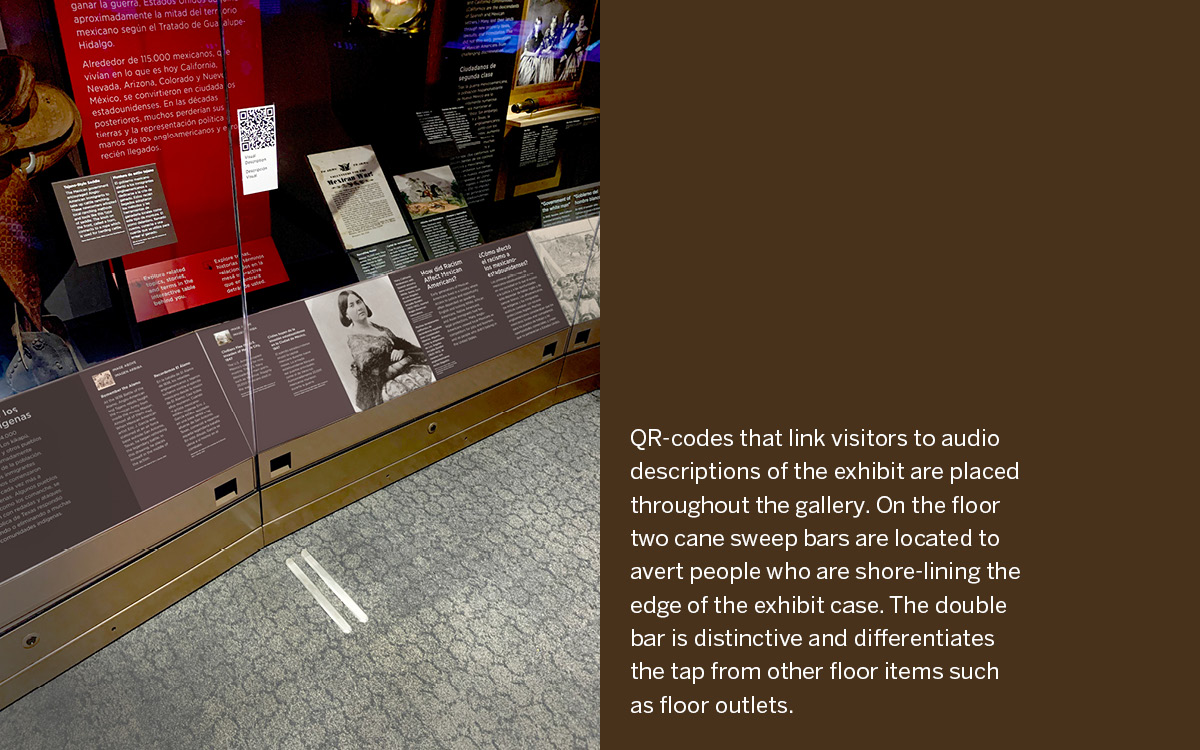
Accessibility was central throughout, guided by NMAL Director Eduardo Diaz's broad view of inclusion. Consultants from the Institute for Human-Centered Design (IHCD) joined from the start, and we held four user/expert reviews at progressive design stages — a "user/expert," per IHCD, being someone whose lived experience with physical, sensory, or cognitive limitations gives them expertise in navigating built environments. Each review refined our decisions: acoustic-absorbing materials throughout tightened the gallery's acoustics, reducing echo for visitors with hearing impairments; cane-sweep cues along the exhibit "shoreline" mark raised QR codes linking to audio descriptions. Other features include large-font text, tactile and olfactory elements, quiet spaces, armrest seating, wheelchair access throughout, and artifact placement for clear sightlines. The thoroughness of front-loading these decisions — rather than retrofitting later — made the greatest difference. The result may not be the most photogenic, but it represents an innovative design methodology.
Spatial Organization
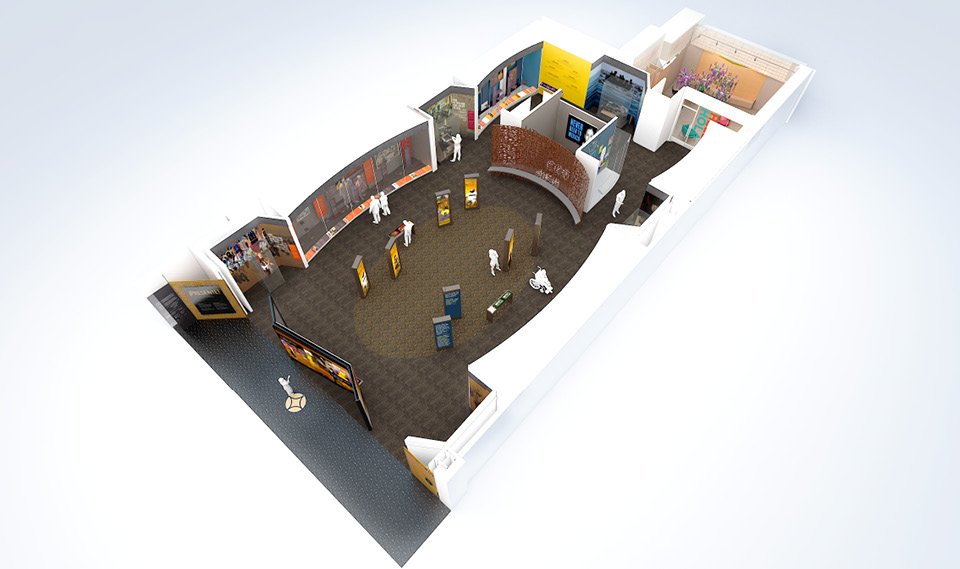
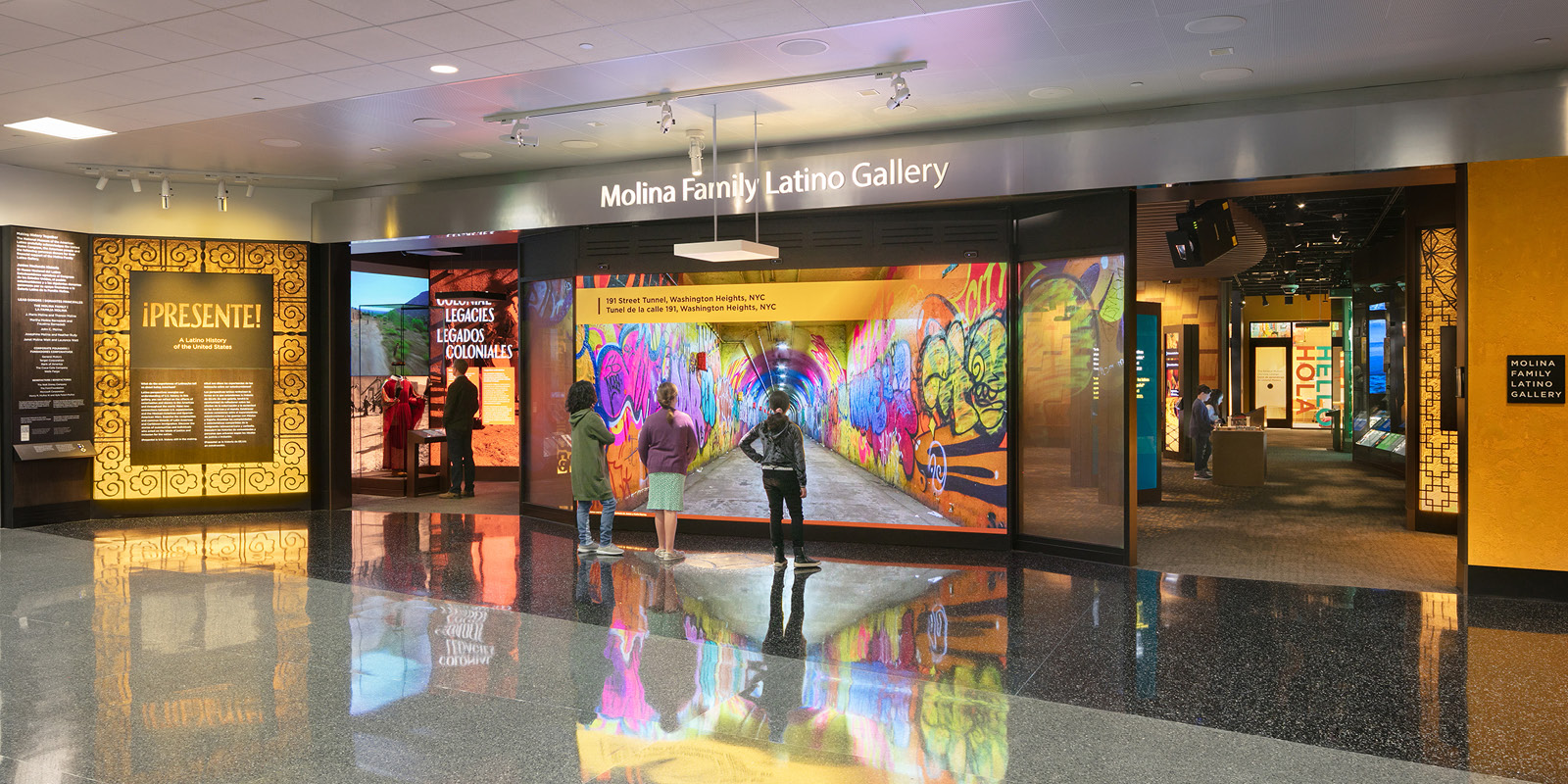
The gallery's name marks the entrance, where "Meet Us," a multimedia faceted wall, welcomes visitors. Inside are three distinct zones: the historical exhibition areas, the contemporary Foro (forum), and the Learning Lounge.
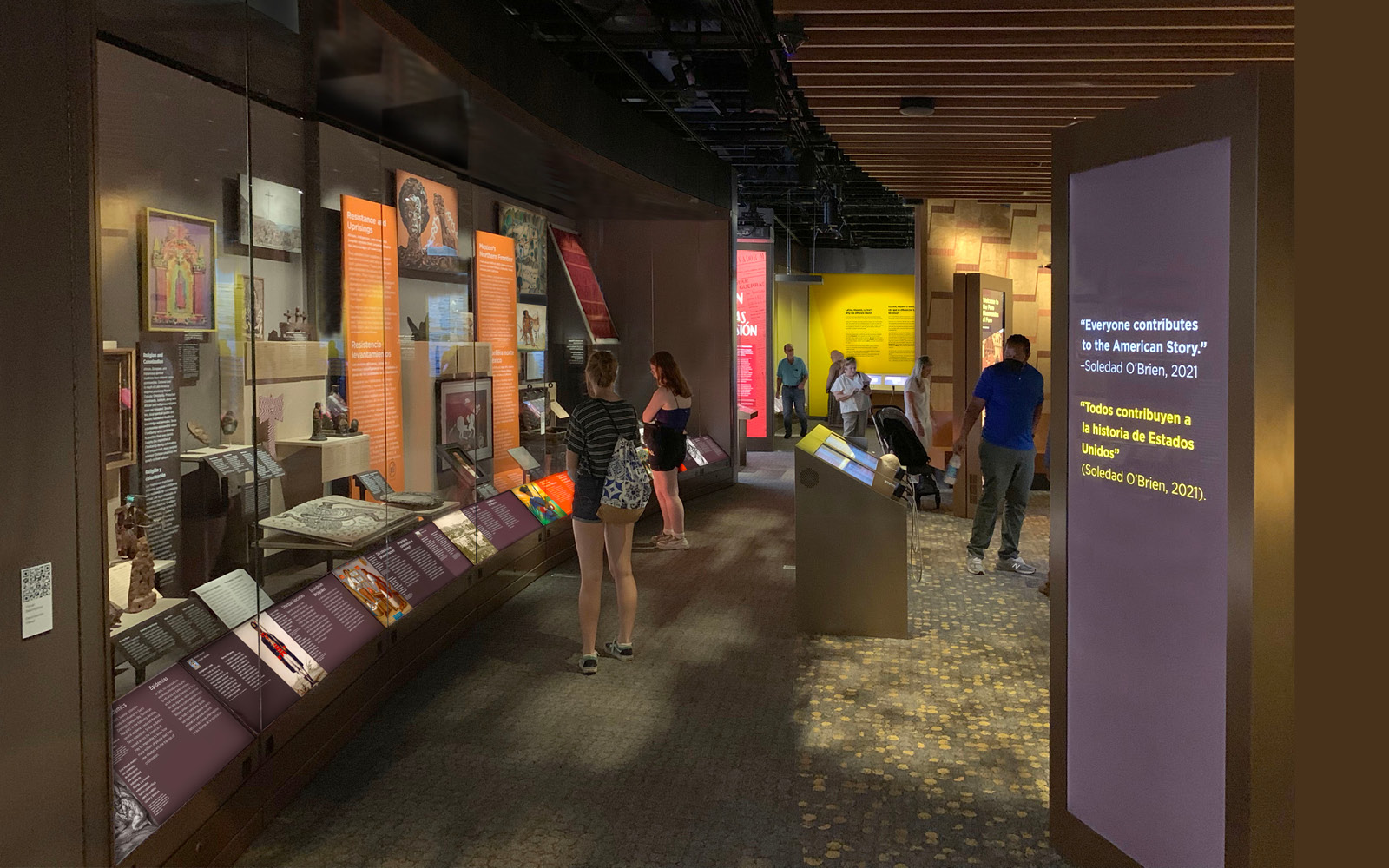
Twelve-foot vitrines line the perimeter, showcasing thematic graphics and artifacts from the Smithsonian, other museums, and private lenders. Each section opens with a free-standing object in an accessible, multi-sensory nook, and nearby digital tables offer animated maps, timelines, biographies, and sensory interactives for deeper engagement.
The Foro (Forum), a plaza-like space at the center of the gallery, is populated with life-size public history media and invites communal interaction among individuals and small groups. Eight interactive digital storytellers are situated throughout, recounting diverse Latino stories that dialogue with the historical content and demographic information in the surrounding cases. By placing full-scale human presence at the heart of the gallery, the Foro creates a sense of place-making that grounds and amplifies the institutional voice — reinforcing that this is a space authored, inhabited, and claimed by the Latino community itself, not simply a room that displays it. The Foro is bookended on one side by a large-scale digital map, Mapping the U.S. Latino Experience, and on the other by a small theater screening programs like Somos — one exploring demographic data, the other profiling community diversity.
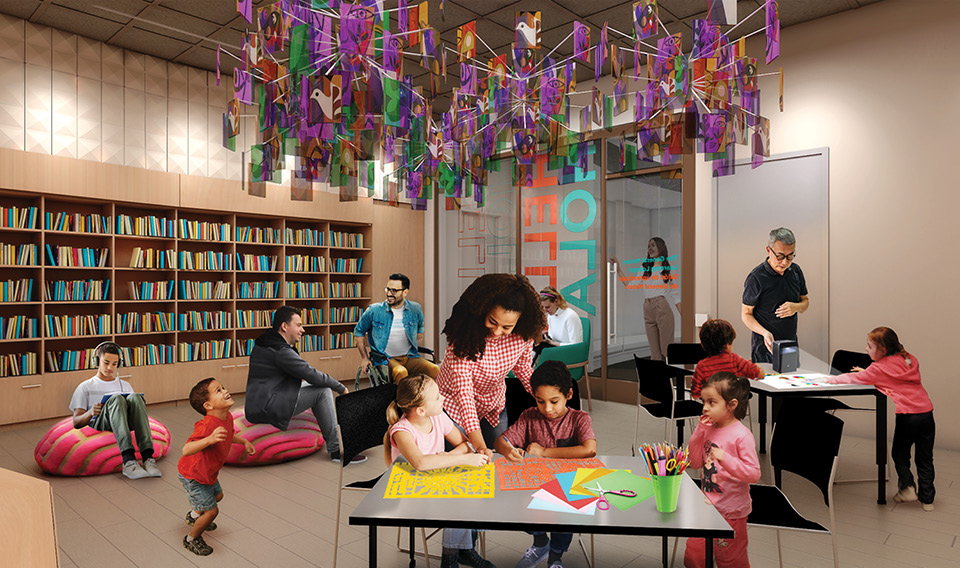
Beyond the theater sits the Learning Lounge, an informal space for hands-on activities and live-streamed programs for all ages.
Circulation
Visitors enter between the title wall and "Meet Us." Circulation combines a clockwise directional flow with free, open movement. The clockwise orientation accommodates visitors' propensity to follow chronologically organized exhibitions — the gallery sits within a history museum, and ¡Presente! is itself chronologically arranged. Since English and Spanish are both read left to right, and timelines conventionally progress the same way, clockwise circulation followed naturally from the content itself. At the same time, large nooks organize the content at a glance, allowing visitors to roam the gallery freely should they prefer. Per Smithsonian Guidelines for Accessible Design, all pathways are fully accessible, with required wheelchair clearance, clear wayfinding, and good lighting.
Recent Press on the opening of the gallery
Category: Portfolio Tags: Latino Exhibit, Latino Heritage, Latinx exhibition
Copyright © 2026 · All Rights Reserved · Museum Environments
· Log in